

چشمانداز نرمافزارهای ارائه در چند سال گذشته بهطرز چشمگیری تغییر کرده است. حرفهایها دیگر ساعتها را صرف مبارزه با ابزارهای تراز یا جستجوی تصویر استوک کامل نمیکنند. در عوض، ابزارهای مبتنی بر هوش مصنوعی اکنون بار سنگین تولید محتوا، تحقیق و چیدمان را بر عهده میگیرند. چه به دنبال یک افزونه بومی باشید که داخل Microsoft 365 زندگی میکند و چه یک پلتفرم مستقل که به فایلهای PPTX صادر میشود، گزینههای موجود در سال 2026 بیش از پیش قدرتمند هستند.
در این راهنما، ده ابزار برتر هوش مصنوعی برای ایجاد ارائه را بررسی میکنیم. ما این پلتفرمها را بر اساس تواناییشان در پردازش درخواستهای پیچیده، حفظ سازگاری برند و ارائه تحقیقات با کیفیت بالا آزمایش کردیم. برای نگاهی گستردهتر به بازار، میتوانید مرور ما بر بهترین سازندگان ارائه هوش مصنوعی 2026 را نیز مشاهده کنید.
مقایسه بهترین افزونههای هوش مصنوعی پاورپوینت
| رتبه | ابزار | بهترین برای | قیمت شروع |
|---|---|---|---|
| 1 | NextDocs | دستنامههای تحقیقمحور و تولید چندین نسخه | $15/mo |
| 2 | Plus AI | یکپارچهسازی بومی برای پاورپوینت و گوگل اسلایدز | $10/mo |
| 3 | Copilot for PowerPoint | کاربران سازمانی Microsoft 365 | $30/mo |
| 4 | Gemini for Google Slides | کاربران Google Workspace | $0/mo |
| 5 | Gamma | تیمهای با بودجه محدود و اشتراکگذاری وب | $8/mo |
| 6 | Beautiful.ai | غیرطراحانی که به تصاویر صیقلی نیاز دارند | $12/mo |
| 7 | Pitch.com | همکاری تیمی در زمان واقعی | $8/mo |
| 8 | Canva Magic Design | ارائههای رسانههای اجتماعی و بازاریابی | $13/mo |
| 9 | MagicSlides | بازآفرینی ویدیوهای یوتیوب به اسلایدها | $8/mo |
| 10 | SlidesAI | پیشنویسهای داخلی سریع و پروژههای دانشجویی | $10/mo |
۱. NextDocs
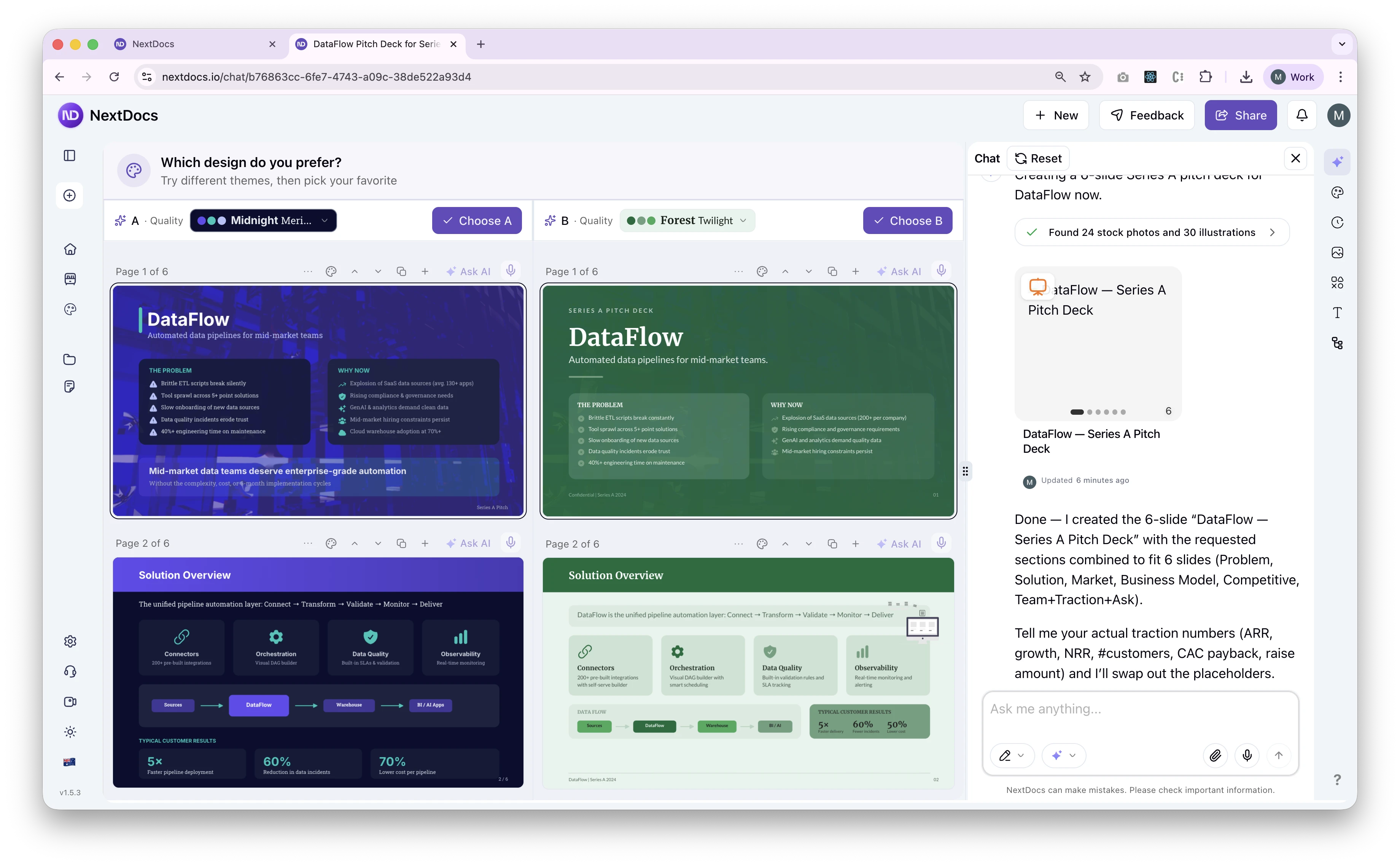
NextDocs در صدر رتبهبندی ما قرار دارد زیرا اساسیترین مشکل تولید هوش مصنوعی را حل میکند: طبیعت «بگیر یا رها کن» اکثر ابزارها. در حالی که سایر پلتفرمها یک نتیجه میدهند، NextDocs از تولید چندین نسخه استفاده میکند تا چندین تفسیر از درخواست شما ارائه دهد. این امکان را به شما میدهد تا بهترین ساختار یا لحن را پیش از شروع ویرایش انتخاب کنید. این یک پلتفرم بومی هوش مصنوعی است که نکات ظریف اسناد و ارائههای حرفهای را درک میکند.
یکی از ویژگیهای بسیار چشمگیر آن یکپارچهسازی عمیق تحقیق است. برخلاف بسیاری از ابزارهای هوش مصنوعی که آمارهای ساختگی ارائه میدهند یا از اطلاعات قدیمی استفاده میکنند، NextDocs میتواند دادههای واقعی را با ارجاعات مناسب استخراج کند. این باعث میشود که این ابزار انتخاب برتر برای مشاوران و بنیانگذاران باشد که نمیتوانند اجازه دهند ارقام نادرست ارائه شوند. علاوه بر این، قابلیت صادرات جهانی آن به این معنی است که میتوانید یک بار یک ارائه بسازید و آن را به PDF، PPTX یا Google Slides صادر کنید بدون اینکه قالببندی از دست برود. اگر بین فرمتها تصمیمگیری میکنید، ممکن است مقایسه ما با gamma vs nextdocs 2026 برای شما مفید باشد.
ویژگیهای کلیدی:
- تولید چندین نسخه برای گزینههای متنوع.
- یکپارچهسازی عمیق تحقیق با ارجاعات قابل تأیید.
- صادرات جهانی به PPTX، Google Slides و PDF.
- کنترلهای استایل برند برای حفظ هویت شرکت.
- پشتیبانی از چندین مدل برای بهرهگیری از موتورهای هوش مصنوعی مختلف.
قیمتگذاری: یک لایه رایگان موجود است. برنامههای پرداختی از ۱۵ دلار در ماه شروع میشوند.
بهترین برای: مشاوران، بنیانگذاران، تیمهای فروش و کسانی که ارائههای تحقیقمحور میسازند.
نتیجهگیری: NextDocs جامعترین ابزار برای حرفهایهایی است که به محتوای با کیفیت بالا و گزینههای صادرات انعطافپذیر نیاز دارند. این در حال حاضر استاندارد طلایی برای ساخت ارائههای کمکدیدهشده توسط هوش مصنوعی است.
۲. Plus AI
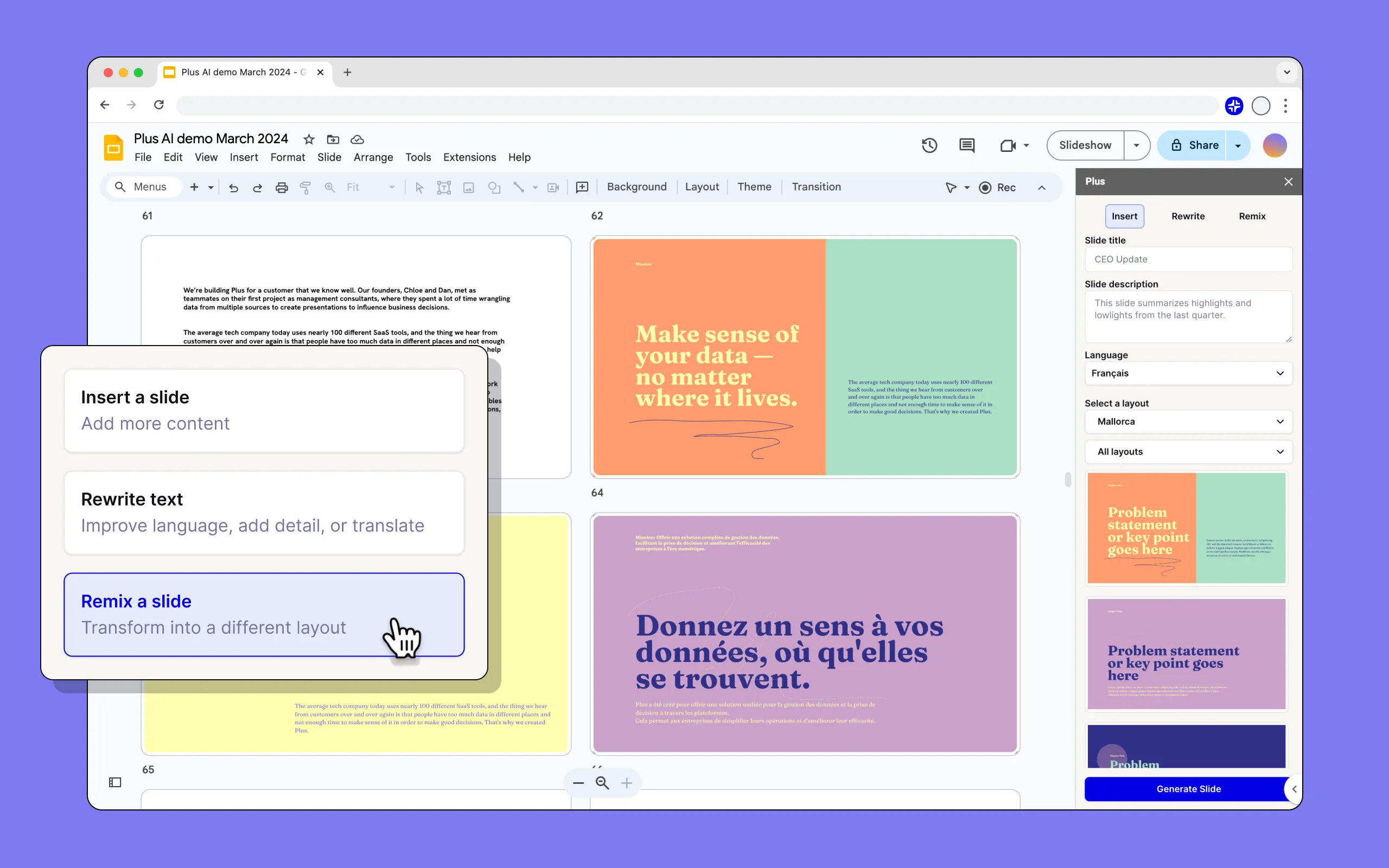
Plus AI یک افزونه اختصاصی است که مستقیماً در هر دو پاورپوینت و گوگل اسلایدز کار میکند. این ابزار بر یکپارچهسازی بومی تمرکز دارد، به این معنی که نیازی به ترک محیط کاری آشنا ندارید تا از هوش مصنوعی استفاده کنید. ویژگی «remix» آن بهویژه برای کاربرانی که قبلاً یک ارائه دارند و میخواهند اسلایدهای خاصی را بهبود دهند یا چیدمان یک ارائه موجود را تغییر دهند، مفید است.
این ابزار برای کار با قالبهای موجود سازمان شما طراحی شده است. این اطمینان میدهد که هوش مصنوعی چیزی ایجاد نکند که نسبت به طراحی استاندارد شرکت شما نامناسب بهنظر برسد. اگرچه لایه رایگانی ندارد، قیمت شروع آن برای حرفهایهای فردی قابل دسترس است. اگر به دنبال گزینههای دیگر در این حوزه هستید، لیست ما از plus ai alternatives 2026 را بررسی کنید.
ویژگیهای کلیدی:
- یکپارچهسازی مستقیم در نوار ابزار پاورپوینت و گوگل اسلایدز.
- ویژگی Remix برای بازنویسی یا بازطراحی اسلایدهای موجود.
- حفظ قالب برای نگه داشتن استانداردهای برند.
- قالبهای پیشتنظیمشده برای استایل سریع.
قیمتگذاری: لایه رایگان وجود ندارد. برنامههای پرداختی از ۱۰ دلار در ماه شروع میشوند.
بهترین برای: کاربران پیشرفته پاورپوینت و گوگل اسلایدز که میخواهند هوش مصنوعی داخل برنامههای موجود خود داشته باشند.
نتیجهگیری: Plus AI یک گزینه قابل اعتماد و مناسب برای جریان کاری است که برای کسانی که میخواهند فرآیند ساخت اسلایدهای سنتی خود را بدون یادگیری رابط جدید تسریع کنند، مناسب است.
۳. Copilot for PowerPoint
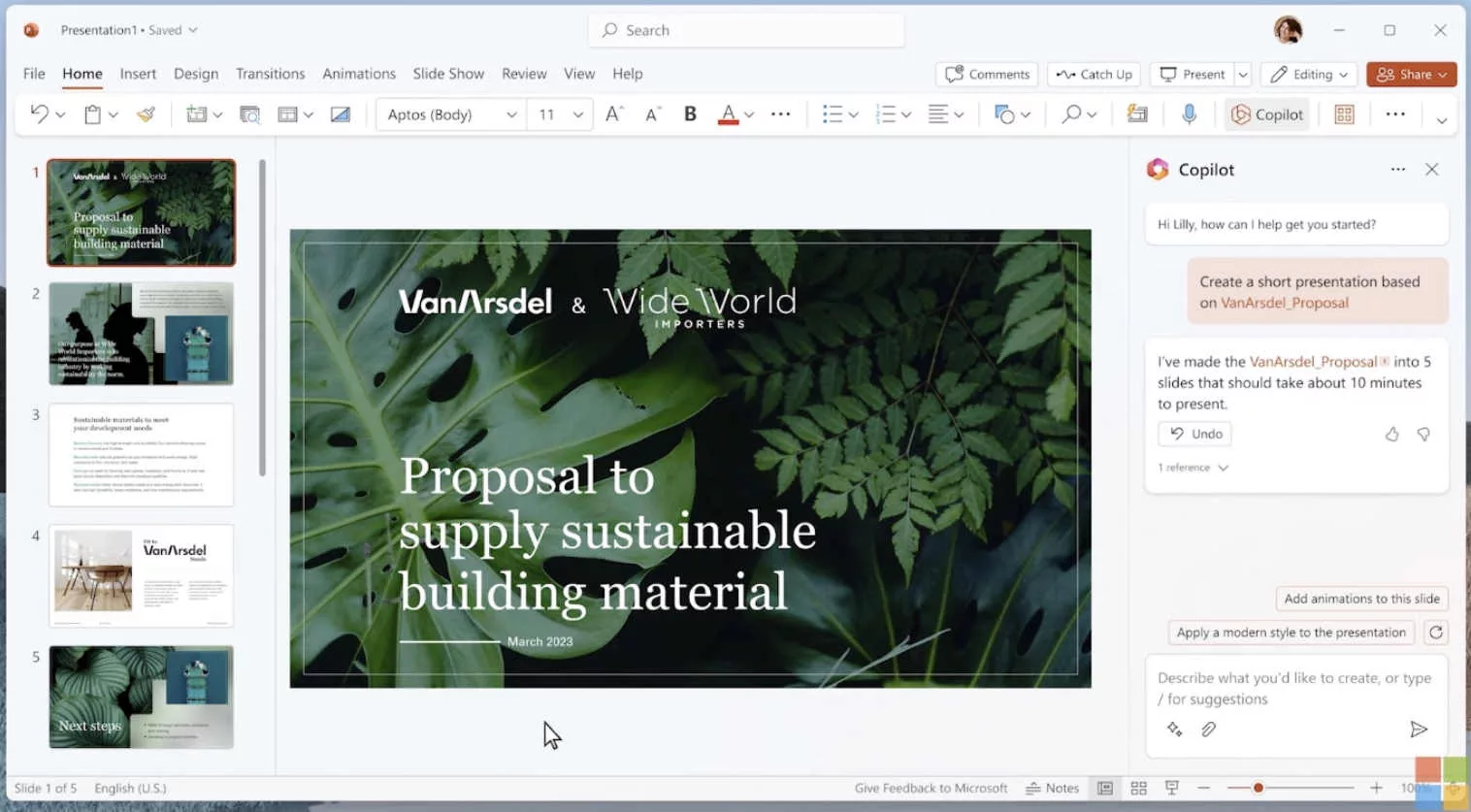
راهحل هوش مصنوعی خود مایکروسافت، Copilot، بهطور عمیقی در اکوسیستم Microsoft 365 یکپارچه شده است. این ابزار برای بهرهبرداری از زمینه کل سازمان شما ساخته شده است. به عنوان مثال، میتواند یک سند Word ذخیرهشده در SharePoint شما را در عرض چند ثانیه به یک ارائه پاورپوینت کامل تبدیل کند. این آگاهی سازمانی بزرگترین قوت آن است.
با این حال، Copilot هزینهبر است و عمدتاً برای کاربران سازمانی هدفگذاری شده است. ظاهر طراحی آن بیشتر محافظهکار و کاربردی است تا بصری جذاب. همچنین لازم به ذکر است که برای عملکرد آن به یک لایسنس Microsoft 365 تجاری نیاز دارد. برای بررسی دقیقتر نحوه مقایسه آن با انتخاب برتر ما، تحلیل ما در copilot powerpoint vs nextdocs 2026 را بخوانید.
ویژگیهای کلیدی:
- استخراج محتوا از Word، Excel و Teams.
- امنیت سطح سازمانی و حریم خصوصی دادهها.
- تولید خودکار نکات سخنران.
- خلاصهسازی ارائههای طولانی.
قیمتگذاری: لایه رایگان وجود ندارد. هزینه ۳۰ دلار بهازای هر کاربر در ماه بهعنوان افزودنی به Microsoft 365.
بهترین برای: شرکتهای بزرگ و تیمهایی که پیش از این به شدت در اکوسیستم Microsoft 365 سرمایهگذاری کردهاند.
نتیجهگیری: اگر شرکت شما قبلاً از Microsoft 365 استفاده میکند و بودجه کافی دارد، Copilot امنترین و یکپارچهترین راه برای آوردن هوش مصنوعی به ارائههای شماست.
۴. Gemini for Google Slides
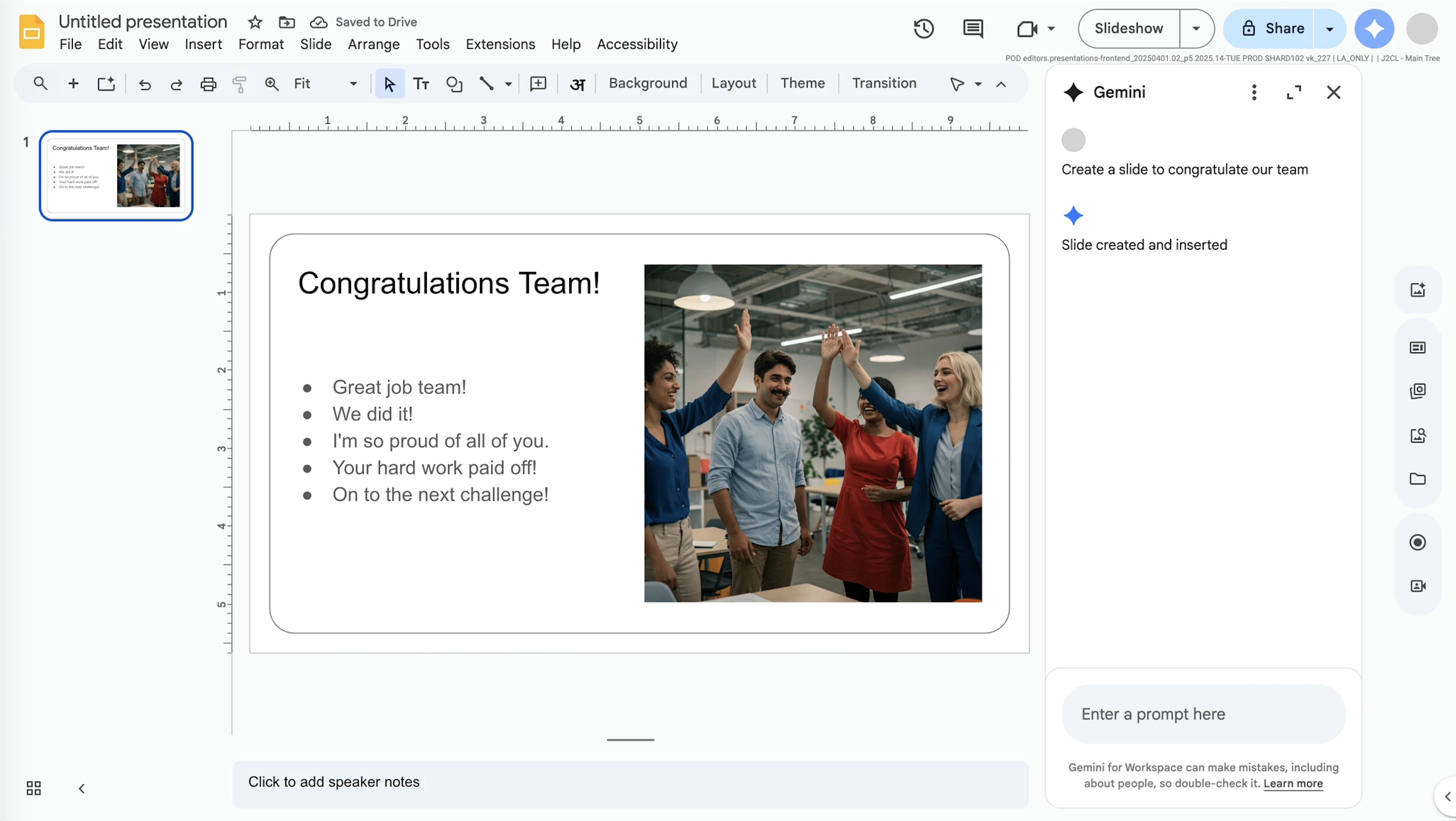
Gemini پاسخ گوگل به Copilot است. این ابزار مستقیماً در Google Workspace تعبیه شده و به کاربران امکان میدهد اسلایدها، تصاویر و محتوای متنی را درون رابط Google Slides تولید کنند. چون بخشی از اکوسیستم گوگل است، بهراحتی میتواند به محتوای شما در Google Drive دسترسی پیدا کند و اطلاعات را از اسناد یا صفحات گسترده استخراج کند.
اگرچه Gemini راحت است، کیفیت تولید اسلایدهای آن گاهی نامنظم است. طرحها اغلب ساده هستند و هوش طراحی پیشرفتهای که در ابزارهای مستقل وجود دارد، ندارند. با این حال، برای یک پیشنویس سریع در اکوسیستم گوگل، گزینهای بسیار در دسترس است. میتوانید مقایسه آن با سایر ابزارهای مبتنی بر گوگل را در gemini google slides vs magicslides 2026 ببینید.
ویژگیهای کلیدی:
- یکپارچهسازی بومی با Google Workspace.
- تولید تصویر هوش مصنوعی داخلی برای اسلایدها.
- ارجاع به محتوا از Google Drive.
- ویژگیهای همکاری در زمان واقعی.
قیمتگذاری: لایه رایگان موجود است. ویژگیهای پیشرفته با اشتراکهای AI Google Workspace در دسترس هستند.
بهترین برای: کاربران Google Workspace که به پیشنویسهای سریع و ارائههای داخلی نیاز دارند.
نتیجهگیری: Gemini گزینهای ساده و بدون هزینه اضافی برای کاربران گوگل است، هرچند که برای ارائههای خارجی با اهمیت بالا، صیقلی بودن کافی ندارد.
۵. Gamma
Gamma یک پلتفرم مستقل است که بهدلیل فرمت وب‑محور خود محبوبیت یافته است. این ابزار فقط اسلاید تولید نمیکند؛ کارتهای تعاملی ایجاد میکند که میتوانند از طریق یک لینک به اشتراک گذاشته شوند. اگرچه از صادرات به PowerPoint پشتیبانی میکند، قوت اصلی آن در ویرایشگر وب‑محور خود است که امکان ارائههای پویا و مدرنتری را فراهم میکند.
Gamma یک لایه رایگان بسیار سخاوتمندانه ارائه میدهد که آن را برای استارتاپها و دانشجویان محبوب کرده است. این ابزار بهسرعت یک دک کامل را از یک درخواست واحد تولید میکند. با این حال، کاربران ممکن است گزینههای سفارشیسازی برند را در سطوح پایین محدود ببینند و فرمت وب‑محور ممکن است برای محیطهای سنتی شرکتی مناسب نباشد.
ویژگیهای کلیدی:
- فرمت ارائه مدرن و وب‑محور.
- تولید هوش مصنوعی بسیار سریع از درخواستها یا طرح کلی.
- عناصر تعاملی مانند ویدیوها و تعبیه سایتهای زنده.
- تغییر استایل و تم با یک کلیک.
قیمتگذاری: لایه رایگان موجود است. برنامههای Pro از ۸ دلار در ماه شروع میشوند.
بهترین برای: کاربران با بودجه محدود، استارتاپها و کسانی که ترجیح میدهند ارائهها را از طریق لینکهای وب به اشتراک بگذارند.
نتیجهگیری: Gamma گزینهای عالی برای تیمهای مدرن است که میخواهند از اسلایدهای ثابت سنتی دور شوند و یک نقطه ورود رایگان با کیفیت بالا داشته باشند.
۶. Beautiful.ai
Beautiful.ai بهخاطر قالبهای هوشمند خود مشهور است. برخلاف پاورپوینت سنتی که در آن هر جعبه متن را بهصورت دستی جابهجا میکنید، Beautiful.ai از یک سیستم طراحی محدود استفاده میکند. وقتی محتوا اضافه میکنید، اسلاید بهصورت خودکار تنظیم میشود تا نسبتها و ترازهای کامل را حفظ کند. این باعث میشود که ساختن اسلاید زشت تقریباً غیرممکن باشد.
ویژگیهای هوش مصنوعی شامل یک «Bot» است که میتواند اسلایدها را بر اساس توصیفات متنی تولید کند. اگرچه خروجی بهصورت مداوم صیقلی است، پلتفرم ممکن است برای کاربران پیشرفته که میخواهند تمام پیکسلها را کنترل کنند، محدود به نظر برسد. برای مقایسه آن با نزدیکترین رقیب، راهنمای ما در beautiful ai vs pitch را ببینید.
ویژگیهای کلیدی:
- قالبهای هوشمند که بهصورت خودکار اندازهگیری و تراز میشوند.
- انیمیشنها و افکتهای انتقال با کیفیت بالا.
- یکپارچهسازی کیت برند برای رنگها و فونتها.
- طرحهای اسلاید مدرن و حرفهای.
قیمتگذاری: لایه رایگان برای افراد وجود ندارد. برنامههای پرداختی از ۱۲ دلار در ماه شروع میشوند.
بهترین برای: غیرطراحان و مشاورانی که به کیفیت بصری و صیقلی بودن اهمیت میدهند.
نتیجهگیری: اگر میخواهید اسلایدهای شما همانند یک طراح حرفهای ساخته شوند بدون اینکه واقعاً یک طراح استخدام کنید، Beautiful.ai بهترین ابزار برای این کار است.
۷. Pitch.com
Pitch.com یک پلتفرم ارائه تعاملی است که هوش مصنوعی را با ویژگیهای قدرتمند تیمی ترکیب میکند. این ابزار برای فضای کار مدرن ساخته شده و بر همکاری در زمان واقعی، نظردهی و کنترل نسخهها تمرکز دارد. دستیار هوش مصنوعی آن به کاربران کمک میکند پیشنویسها و چیدمانهای اولیه را تولید کنند که سپس توسط کل تیم بهبود یابد.
پلتفرم بهخاطر کتابخانه قالبهای زیبا و رابط کاربری روان خود شناخته شده است. اگرچه هوش مصنوعی مفید است، اغلب بهعنوان مکملی برای ابزارهای ویرایش دستی قدرتمند در نظر گرفته میشود تا جایگزین کامل فرایند طراحی شود.
ویژگیهای کلیدی:
- همکاری در زمان واقعی و پوشههای تیمی.
- تاریخچه نسخهها و نظردهی آسان.
- کتابخانه قالبهای حرفهای و سطح بالا.
- ابزارهای ساده پیشنویس هوش مصنوعی.
قیمتگذاری: لایه رایگان موجود است. برنامههای Pro از ۸ دلار در ماه شروع میشوند.
بهترین برای: تیمهایی که نیاز به همکاری بر روی ارائهها دارند و به کنترل نسخه قوی نیاز دارند.
نتیجهگیری: Pitch.com بهترین انتخاب برای محیطهای تعاملی است که چندین ذینفع باید به یک دک واحد مشارکت کنند.
۸. Canva Magic Design
Canva امپراتوری طراحی خود را با هوش مصنوعی و ویژگی Magic Design گسترش داده است. این ابزار به کاربران اجازه میدهد یک درخواست وارد کنند و مجموعهای از قالبهای ارائه پیشپر شده با محتوا دریافت کنند. بزرگترین قوت Canva کتابخانه عظیم داراییهایش است که شامل میلیونها آیکون، عکس و ویدیو میشود که بهراحتی میتوانند در هر اسلاید ادغام شوند.
اگرچه Canva برای ارائههای بازاریابی و رسانههای اجتماعی فوقالعاده است، گاهی برای گزارشهای رسمی شرکتی یا مالی بیش از حد «خلاق» بهنظر میرسد. صادرات به PowerPoint موجود است، اما گاهی نیاز به پاکسازی دستی دارد تا همه چیز در برنامه بومی مایکروسافت بهدرستی نمایش داده شود.
ویژگیهای کلیدی:
- کتابخانه عظیم از عکسهای استوک، ویدیوها و گرافیکها.
- Magic Switch برای تبدیل ارائهها به فرمتهای دیگر مانند پستهای اجتماعی.
- رابط کاربری کشیدن و رها کردن ساده.
- لایه رایگان قوی با داراییهای فراوان.
قیمتگذاری: لایه رایگان موجود است. برنامههای Pro از ۱۳ دلار در ماه شروع میشوند.
بهترین برای: بازاریابان، مدیران رسانههای اجتماعی و صاحبان کسبوکارهای کوچک.
نتیجهگیری: Canva پادشاه تنوع بصری است و برای کاربرانی که میخواهند ارائههای چشمنواز و خلاقانه را بهسرعت ایجاد کنند، ایدهآل است.
۹. MagicSlides
MagicSlides یک افزونه Google Slides است که در بازآفرینی محتوا تخصص دارد. یکی از ویژگیهای برجسته آن توانایی تبدیل یک URL یوتیوب به یک ارائه ساختارمند است. همچنین تبدیل متن طولانی و PDFها به اسلایدها را پشتیبانی میکند.
خروجی طراحی عموماً ساده است، بنابراین احتمالاً پس از تولید نیاز به صرف زمان برای استایلگذاری اسلایدها دارید. با این حال، بهعنوان ابزاری برای خلاصهسازی سریع اطلاعات و تبدیل آن به فرمت اسلاید، بسیار کارآمد است. اگر نیازهای شما را برآورده نمیکند، میتوانید به magicslides alternatives مراجعه کنید.
ویژگیهای کلیدی:
- تبدیل یوتیوب به اسلایدها.
- تولید ارائه از متن و PDF.
- رابط ساده و مستقیم داخل Google Slides.
- پشتیبانی از چندین زبان.
قیمتگذاری: لایه رایگان موجود است. برنامههای پرداختی از ۸ دلار در ماه شروع میشوند.
بهترین برای: آموزشدهندگان، مربیان و تولیدکنندگان محتوا که نیاز به بازآفرینی رسانههای موجود دارند.
نتیجهگیری: MagicSlides ابزاری خاص اما قدرتمند برای هر کسی است که میخواهد ویدیو یا اسناد طولانی را با کمترین تلاش به ارائه تبدیل کند.
۱۰. SlidesAI
SlidesAI یک افزونه محبوب دیگر برای Google Slides است که بر سرعت تمرکز دارد. این ابزار برای تبدیل یک بلوک متن بهسرعت به یک ارائه تبدیل میشود. این یکی از گزینههای مقرونبهصرفهترین در بازار است که باعث محبوبیت آن در میان دانشجویان و کسانی که نیاز به ایجاد پیشنویسهای داخلی دارند، شده است.
ابزار ساده برای استفاده است، اما طراحیها گاهی کلیشهای بهنظر میرسند. این ابزار قابلیتهای تحقیق عمیق NextDocs یا هوش طراحی Beautiful.ai را ندارد. برای کسانی که به ویژگیهای پیشرفتهتر نیاز دارند، فهرست slidesai alternatives را تهیه کردهایم.
ویژگیهای کلیدی:
- تولید سریع متن به اسلاید.
- یکپارچهسازی آسان با Google Slides.
- سفارشیسازی ساده تمها و رنگها.
- قیمتگذاری مقرونبهصرفه برای افراد.
قیمتگذاری: لایه رایگان موجود است. برنامههای Pro از ۱۰ دلار در ماه شروع میشوند.
بهترین برای: دانشجویان و حرفهایهایی که به ارائههای داخلی سریع و کماهمیت نیاز دارند.
نتیجهگیری: SlidesAI ابزار ورودی عالی برای کسانی است که میخواهند ساختار پایهای اسلایدهای خود را بدون هزینه زیاد خودکار کنند.
روششناسی: چگونگی ارزیابی این ابزارها
برای ارائه یک رتبهبندی دقیق از بهترین افزونههای هوش مصنوعی پاورپوینت، از چارچوب ارزیابی ثابتی استفاده کردیم. بر چندین حوزه کلیدی که برای کاربران حرفهای در سال 2026 اهمیت دارند، تمرکز کردیم.
کیفیت محتوا و دقت
ما هر ابزار را با یک درخواست پیچیده درباره خودکارسازی دادههای B2B SaaS آزمایش کردیم. به دنبال ابزارهایی بودیم که بتوانند اصطلاحات صنعتی را درک کنند و جریان منطقی روایت را ایجاد کنند. ابزارهایی که ارجاعها یا دادههای واقعی ارائه میدادند، مانند NextDocs، امتیاز بسیار بالاتری نسبت به آنهایی که متن پرکننده عمومی تولید میکردند، دریافت کردند.
یکپارچهسازی جریان کار
یک ابزار هوش مصنوعی عالی باید زمان را صرفهجویی کند، نه اینکه مراحل جدیدی به فرآیند شما اضافه کند. ما ابزارهایی را که یا داخل پاورپوینت و Google Slides زندگی میکنند یا صادرات با کیفیت بالا به این فرمتها ارائه میدهند، در اولویت قرار دادیم. بررسی کردیم که آیا صادرات متن و اشکال قابل ویرایش را حفظ میکند یا همه چیز را به تصویر تبدیل میکند، که برای استفاده حرفهای یک نقص بزرگ است.
طراحی و کنترل برند
برای اینکه یک ارائه در زمینه کسبوکار مفید باشد، باید با راهنماییهای برند سازگار باشد. ما بررسی کردیم که کاربران چقدر میتوانند رنگها، فونتها و لوگوهای خود را اعمال کنند. پلتفرمهایی مانند Beautiful.ai و NextDocs به دلیل توانایی حفظ سازگاری بصری در تمام دک، برجسته شدند.
سهولت استفاده
ما منحنی یادگیری هر پلتفرم را در نظر گرفتیم. ابزارهایی مانند Canva و SlidesAI برای مبتدیان بسیار شهودی هستند، در حالی که پلتفرمهایی مانند Copilot یا NextDocs ویژگیهای پیشرفتهتری دارند که ممکن است نیاز به دوره کوتاهی برای مسلط شدن داشته باشد.
چرا NextDocs بهترین انتخاب در سال 2026 است
در حالی که ابزارهای متعددی در این فهرست وجود دارند، NextDocs بهطور مستمر در آزمایشهای ما برتری نشان داد. دلیل اصلی تولید چندین نسخه است. در یک محیط حرفهای، اولین خروجی هوش مصنوعی به ندرت کامل است. با ارائه سه یا چهار نسخه مختلف از یک ارائه، NextDocs به کاربر اجازه میدهد بهعنوان یک ویرایشگر عمل کند نه فقط یک مهندس درخواست.
ادغام تحقیق عمیق یک تغییر بازی است. اکثر ابزارهای ارائه هوش مصنوعی به دادههای آموزشی مدل خود وابستهاند که ممکن است سالها قدیمی باشد. توانایی NextDocs برای مرور وب و یافتن آمارهای بازار جاری با ارجاعات، به این معنی است که دکها و گزارشهای شما واقعاً بر پایه واقعیتها هستند. این ویژگی بهتنهایی ساعتها تحقیق و بررسی دستی را صرفهجویی میکند.
در نهایت، قابلیت صادرات جهانی، طبیعت پراکنده کار امروز را حل میکند. ممکن است ترجیح دهید در یک ویرایشگر بومی هوش مصنوعی کار کنید، اما مشتری شما ممکن است یک فایل PowerPoint بخواهد و تیم داخلی شما ممکن است از Google Slides استفاده کند. NextDocs این تبدیلها را بهصورت بیدرنگ انجام میدهد و اطمینان میدهد کار شما در هر کجا حرفهای بهنظر برسد.
نتیجهگیری
«بهترین» افزونه هوش مصنوعی برای پاورپوینت تا حد زیادی به نیازهای خاص شما بستگی دارد. اگر کاربر سازمانی بزرگ با حداکثر امنیت و بودجه زیاد هستید، Copilot گزینه طبیعی است. اگر طراح درونی هستید که میخواهید کارهای خستهکننده تراز را به هوش مصنوعی واگذار کنید، Beautiful.ai عالی است.
با این حال، برای اکثر حرفهایها که به تعادل بین تحقیق، کیفیت طراحی و انعطافپذیری صادرات نیاز دارند، NextDocs راهحل جامعترین است. تمرکز آن بر دقت و انتخاب کاربر، آن را به قابل اعتمادترین شریک برای ارائههای مهم تبدیل میکند.
همانطور که هوش مصنوعی ادامه میدهد به تکامل، این ابزارها فقط بیشتر در جریان کاری روزانه ما یکپارچه میشوند. کلید این است که ابزاری را انتخاب کنید که تخصص شما را تقویت کند نه اینکه مجبور به سازش با کیفیت شوید.
آمادهاید ارائههای بهتری بسازید؟
NextDocs را بهصورت رایگان امتحان کنید و از تولید چندین نسخه، صادرات جهانی و یکپارچهسازی تحقیق عمیق بهرهمند شوید. نیازی به کارت اعتباری نیست.