
The modern classroom moves at a relentless pace. Between grading, curriculum planning, and administrative duties, teachers often find themselves spending hours every week crafting visual aids that keep students engaged. Traditionally, this meant wrestling with bullet points and layout alignment in software that hasn't changed much in twenty years. However, the rise of artificial intelligence has introduced a new generation of tools that can transform a simple lesson outline into a professional slide deck in seconds.
For educators, these tools are not just about saving time. They are about enhancing pedagogical clarity. Whether you are teaching complex calculus that requires precise mathematical notation or a history lesson that needs deep research and primary sources, the right AI presentation builder can act as a digital teaching assistant. These platforms can suggest structures, generate relevant imagery, and even provide speaker notes to help guide the lecture.
We have tested the leading platforms to find the best AI presentation builders for teachers in 2026. This guide evaluates each tool based on its research capabilities, export flexibility, ease of use, and specialized features like math and code support.
Summary Comparison Table
| Rank | Tool | Best For | Starting Price |
|---|---|---|---|
| 1 | NextDocs | Research-heavy lectures and technical subjects | Free (Starts $15/mo) |
| 2 | Plus AI | Teachers using existing school templates | $10/mo |
| 3 | Gamma | Modern, interactive web-based lessons | Free (Starts $8/mo) |
| 4 | Beautiful.ai | Polished, designer-quality visual aids | $12/mo |
| 5 | Canva Magic Design | Creative projects and primary education | Free (Starts $13/mo) |
| 6 | Pitch.com | Collaborative department-wide decks | Free (Starts $8/mo) |
| 7 | Copilot for PowerPoint | Microsoft-centric school districts | $30/mo |
| 8 | Gemini for Google Slides | Google Classroom and Workspace schools | Free (with Workspace) |
| 9 | MagicSlides | Turning educational videos into slides | Free (Starts $8/mo) |
| 10 | SlidesAI | Quick text-to-slide drafts for busy days | Free (Starts $10/mo) |
1. NextDocs: The Best Overall for Educators
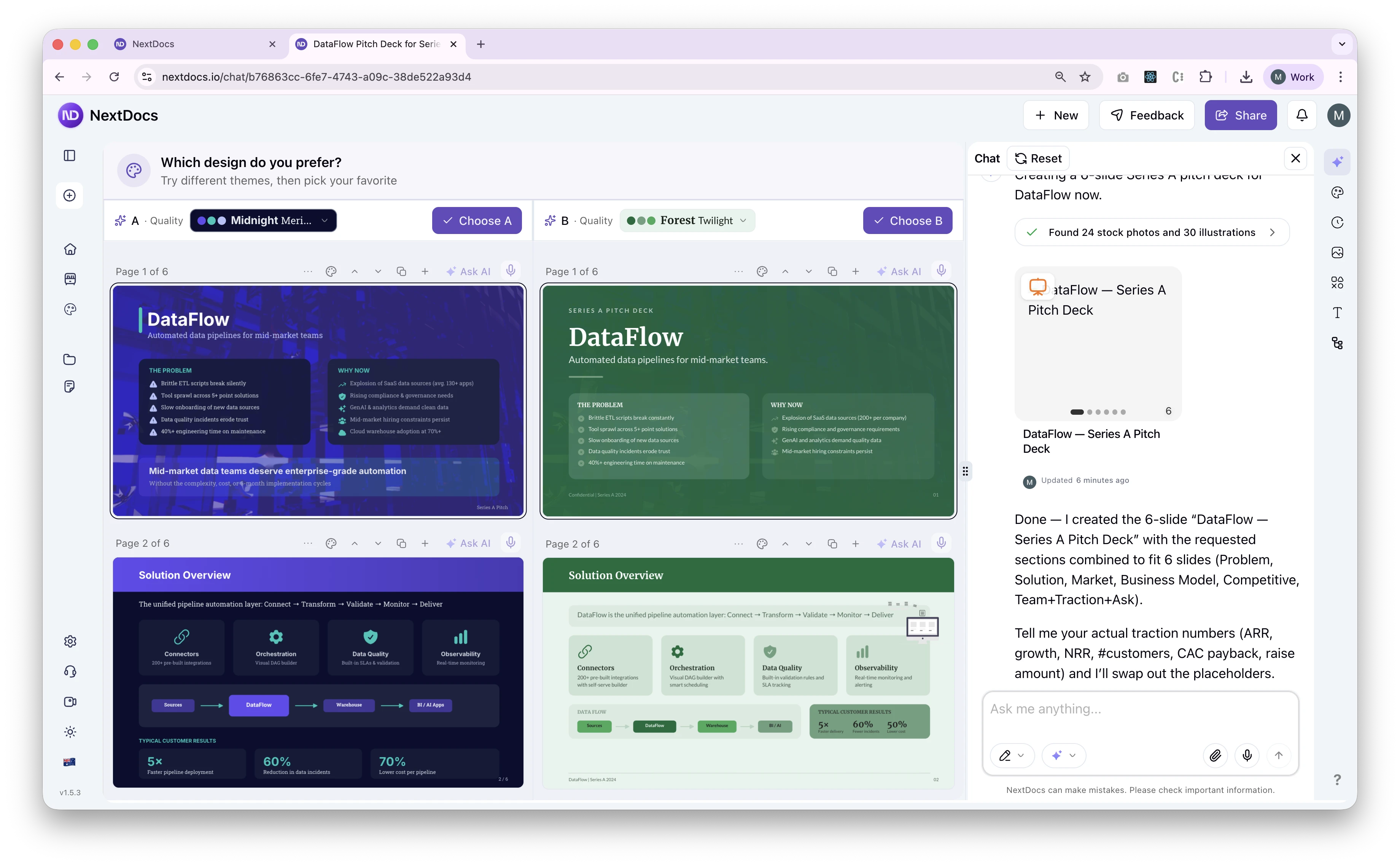
NextDocs is the most robust solution for teachers who need more than just a few bullet points on a screen. Unlike other tools that generate a single, static result, NextDocs uses a multi-variant generation engine. This means that when you input a lesson prompt, the AI provides several different interpretations of the content. You can choose the version that best matches your teaching style or combine elements from different variants to create the perfect deck.
For STEM teachers, NextDocs is a game changer. It includes native support for LaTeX math equations and code syntax highlighting. This allows science and math teachers to present complex formulas and programming snippets without the blurriness of pasted images. Furthermore, the deep research integration ensures that your content is backed by real data and citations. This is essential for maintaining academic integrity and providing students with verifiable information. Educators often compare ChatGPT vs NextDocs 2026 and find that NextDocs provides much better structural control for classroom settings.
Key Features:
- Multi-variant generation provides multiple layout and content choices for every prompt.
- Deep research integration pulls real figures and citations directly into the slides.
- Universal export allows you to save work as PDF, PPTX, Google Slides, or Google Docs.
- Native support for math equations (KaTeX) and code blocks with syntax highlighting.
- Brand styling tools to keep all department materials looking consistent.
Pricing: Free tier available. Paid plans start at $15 per month.
Who it is best for: Academics, technical teachers, and researchers who need high-quality, data-driven presentations.
Verdict: NextDocs is the most versatile tool on the market. It bridges the gap between a creative AI and a rigorous academic tool. For a deeper dive, see our best AI presentation builders 2026 roundup.
2. Plus AI: Best for Template Preservation
Many schools and universities have strict requirements for branding and templates. Plus AI is a specialized add-in that lives directly inside Google Slides and PowerPoint. It is designed to work within your existing workflow rather than forcing you into a new application. For teachers who have spent years perfecting their custom school templates, Plus AI is the perfect companion because it can generate new slides that match your existing design language perfectly.
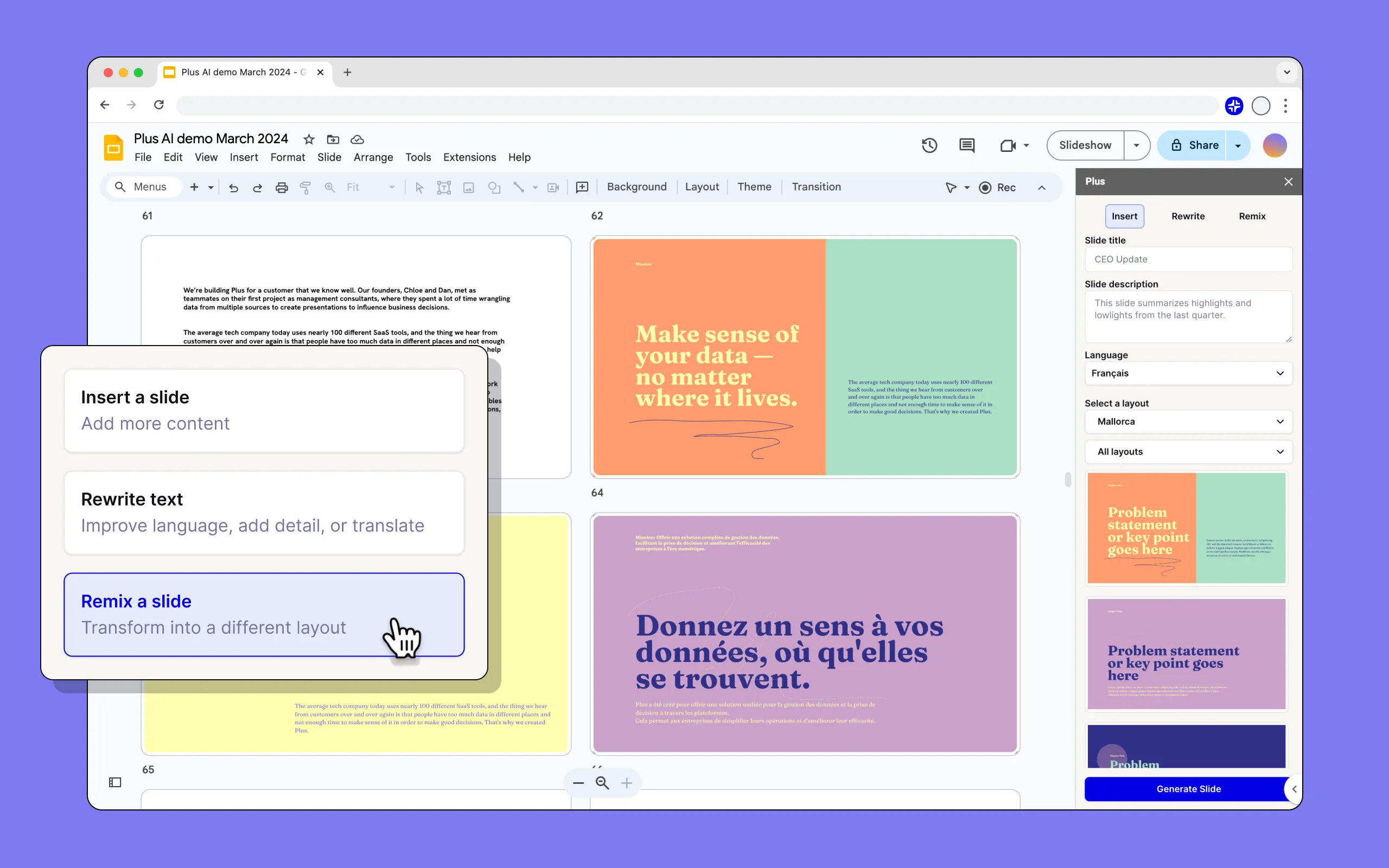
The tool includes a unique "remix" feature. If you have a slide that feels cluttered or outdated, you can ask the AI to reorganize the information into a more digestible format. This is particularly helpful for taking old, text-heavy lecture notes and turning them into modern visual aids. When evaluating Plus AI alternatives 2026, most teachers find that the native integration is the primary selling point here.
Key Features:
- Native integration as an add-in for both Google Slides and Microsoft PowerPoint.
- Template preservation ensures AI-generated content matches your school colors and fonts.
- Remix feature allows for instant transformation of existing slide layouts.
- Content enhancement tools to rewrite bullet points for better student comprehension.
Pricing: No free tier. Plans start at $10 per month.
Who it is best for: Teachers who are committed to Google Slides or PowerPoint and want to keep their existing templates.
Verdict: While the lack of a free tier is a hurdle, the time saved by working within your existing software makes it a worthwhile investment for power users.
3. Gamma: Best for Interactive Lessons
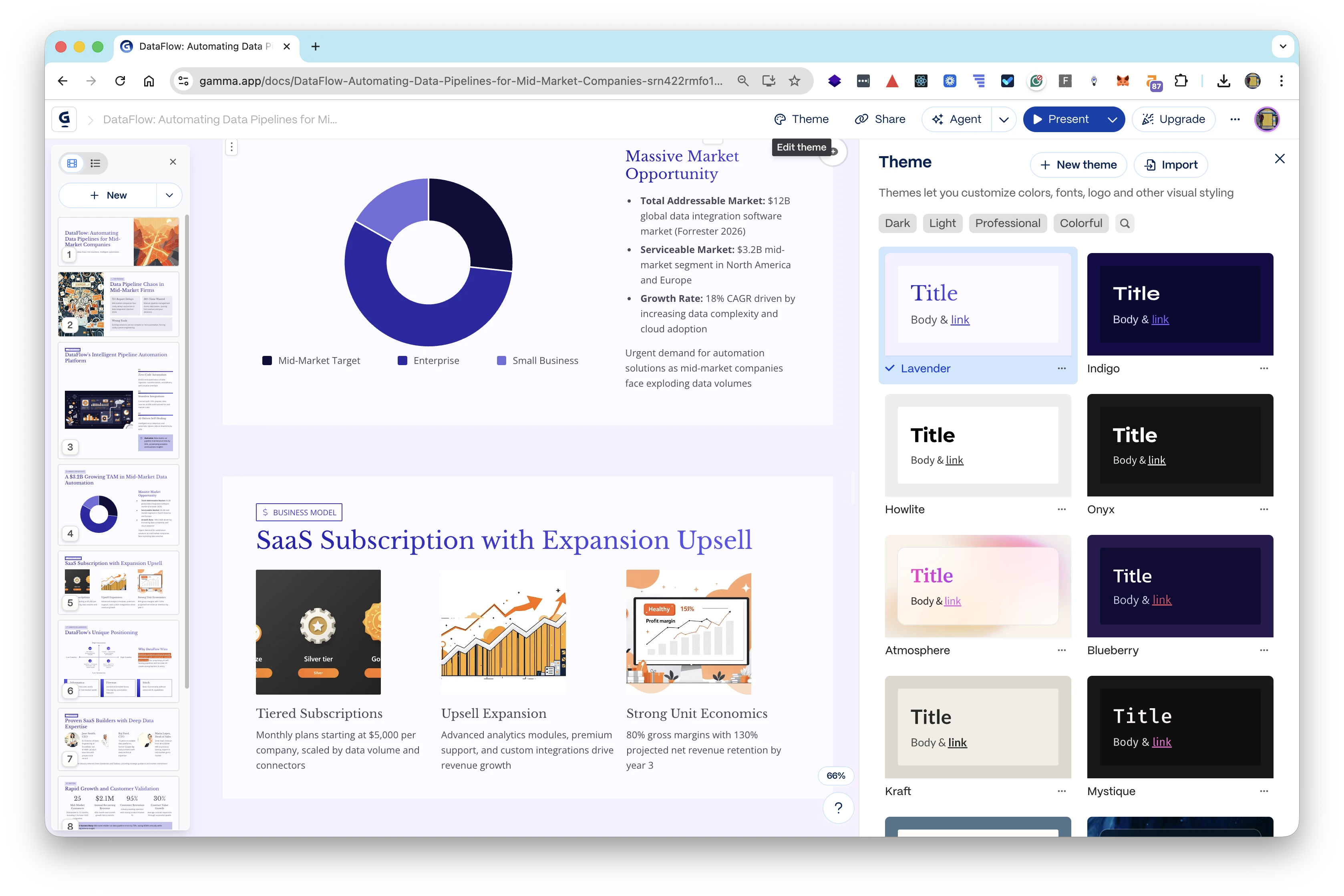
Gamma moves away from the traditional slide format and treats presentations more like interactive web pages. For teachers who want to share their lessons as links for students to review at home, Gamma is an excellent choice. The "cards" in Gamma can expand to fit content, allowing for a more fluid storytelling experience than the rigid 16:9 aspect ratio of traditional slides.
Gamma is particularly strong for humanities and social studies teachers. You can easily embed videos, interactive maps, and live web previews directly into the presentation. The AI generation is remarkably fast, often producing a full deck in under thirty seconds. When comparing Genspark vs NextDocs, users often look at Gamma as a middle ground for quick, web-native sharing.
Key Features:
- Web-native format that allows for vertical scrolling and responsive design.
- One-click themes that instantly change the aesthetic of the entire presentation.
- Fast generation from a simple text prompt or a detailed outline.
- Interactive embeds for YouTube, TikTok, and live websites.
Pricing: Generous free tier. Pro plans start at $8 per month.
Who it is best for: Teachers who want to share interactive digital resources and students who prefer modern, web-style layouts.
Verdict: Gamma is the best choice for the "flipped classroom" model where students engage with materials online before coming to class.
4. Beautiful.ai: Best for Visual Quality
If you find yourself constantly nudging text boxes and resizing images, Beautiful.ai will be a relief. It uses a set of smart templates that follow the rules of good design. As you add content to a slide, the tool automatically adjusts the layout to maintain balance and white space. For teachers who want their slides to look like they were designed by a professional agency, this is the tool.
The AI features include a "Designer Bot" that can build slides from a prompt. However, the real power lies in the library of smart charts and diagrams. Instead of struggling with Excel exports, you can simply type your data into a table, and Beautiful.ai will create a stunning, animated visualization.
Key Features:
- Smart templates that automatically resize and reposition elements as you type.
- Designer Bot for AI-driven slide creation and layout suggestions.
- Extensive library of high-quality icons, stock photos, and animated charts.
- Brand control features to ensure all departmental presentations look uniform.
Pricing: No free tier for individuals. Plans start at $12 per month.
Who it is best for: Educators who prioritize aesthetics and want to create high-impact visual aids without design skills.
Verdict: It is the most "idiot-proof" design tool on the list. You simply cannot make an ugly slide with Beautiful.ai.
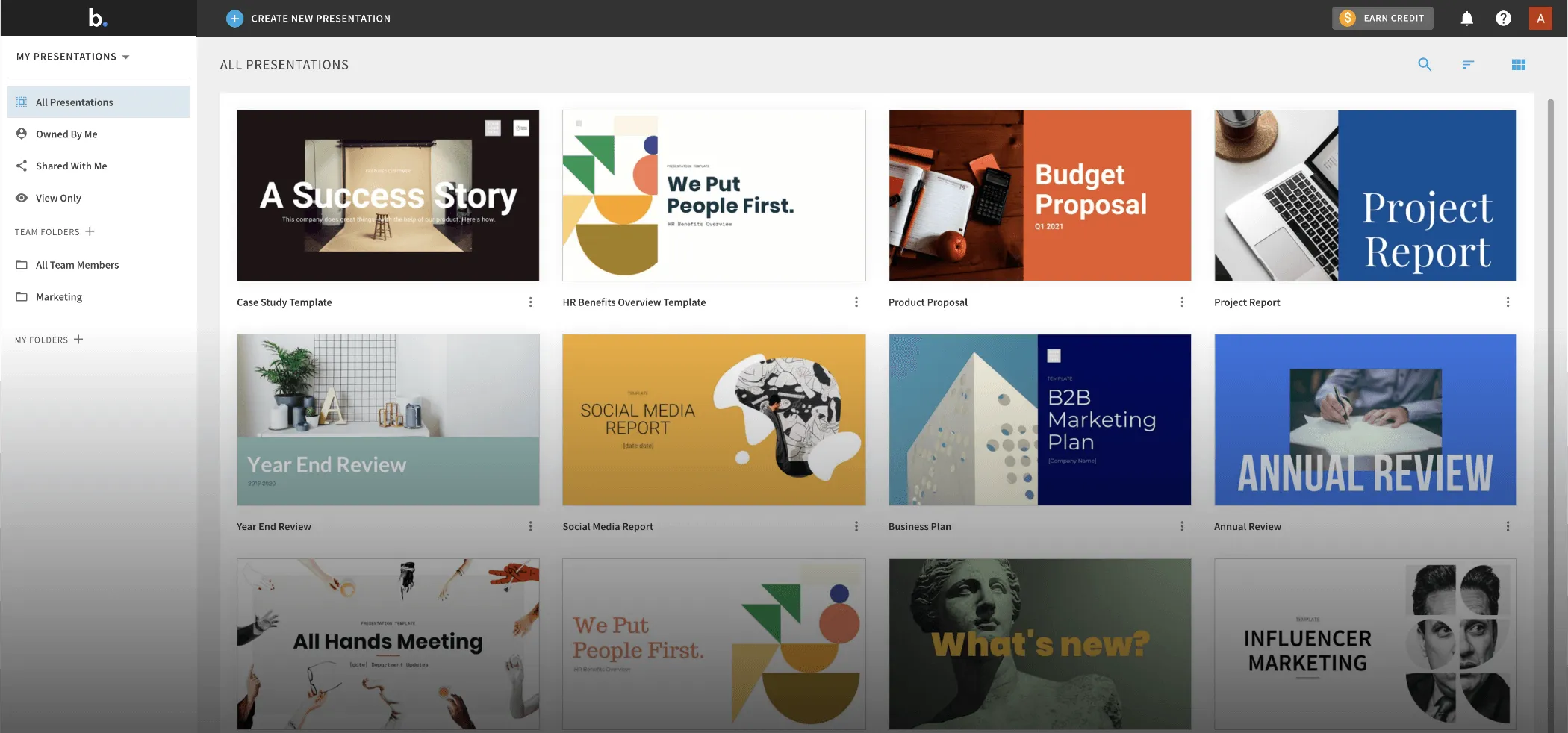
5. Canva Magic Design: Best for Primary Education
Canva has long been a favorite in the education sector due to its enormous library of assets. Their Magic Design AI allows teachers to type a few words about a lesson and receive a selection of fully designed presentations featuring stickers, illustrations, and colorful backgrounds. This is perfect for primary and middle school teachers who need to keep younger students engaged with vibrant visuals.
Canva also makes it easy to convert your presentation into other formats. With one click, you can turn a slide deck into a printable worksheet or a short video. The strong free tier for educators makes it highly accessible for schools with limited budgets.
Key Features:
- Massive asset library including millions of images, stickers, and videos.
- Multi-format export to turn presentations into videos, PDFs, or social posts.
- Magic Switch feature to instantly change the size and format of your content.
- Collaborative workspace for students to work on group projects together.
Pricing: Free tier available for teachers. Pro features start at $13 per month.
Who it is best for: Primary school teachers and creative educators who need a wide variety of visual assets.
Verdict: Canva is the king of versatility. It is more of a creative suite than just a presentation builder.
6. Pitch.com: Best for Collaborative Departments
When entire departments need to collaborate on a curriculum, Pitch.com is the best choice. It focuses heavily on the workflow of a team. You can assign specific slides to different teachers, leave comments, and track version history. The AI generator is helpful for creating a starting point, but the true strength of Pitch lies in its editing and collaboration tools.
Pitch offers a very modern, "startup" aesthetic. It is clean, fast, and works entirely in the browser. For teachers who are looking for Pitch alternatives, they often find that other tools lack the same level of real-time collaboration.
Key Features:
- Real-time collaboration with live cursors and integrated commenting.
- Version history to revert back to previous lesson iterations.
- Professional template library that avoids the "clunky" look of old software.
- AI-assisted drafting to generate initial slide content and structure.
Pricing: Free tier available. Pro plans start at $8 per month.
Who it is best for: Department heads and teaching teams who build and share curriculum materials together.
Verdict: If you are building a shared library of lessons for a whole school, Pitch is the most organized way to do it.
7. Copilot for PowerPoint: Best for Microsoft Districts
For schools that are fully integrated into the Microsoft 365 ecosystem, Copilot is the logical choice. It is an AI assistant that lives inside PowerPoint. Its greatest strength is its ability to reference other files. You can point Copilot to a Word document containing your lesson plan, and it will automatically generate a PowerPoint deck based on that text.
This organizational context is something standalone tools struggle to replicate. Copilot understands your school's folder structure and can pull in specific data from Excel or notes from Outlook. However, it is one of the more expensive options on this list. If the price is a concern, you might want to look into Copilot PowerPoint alternatives that offer similar AI features at a lower cost.
Key Features:
- Deep integration with Word, Excel, and Teams.
- Ability to generate presentations directly from existing text documents.
- Automatic speaker notes and summary generation.
- Enterprise-grade security and data privacy for school districts.
Pricing: Requires a Microsoft 365 subscription plus $30 per user per month.
Who it is best for: Teachers in districts that already use Microsoft 365 for everything.
Verdict: It is the most powerful tool for those already in the "Microsoft bubble," but the price tag is steep for individual teachers.
8. Gemini for Google Slides: Best for Google Classroom
Similar to Copilot, Gemini is Google's answer for their Workspace users. Since so many teachers use Google Classroom, Gemini provides a seamless way to generate slides without leaving the browser tab. It can pull information from your Google Drive and help you brainstorm slide layouts.
While it is currently less sophisticated than some of the standalone builders, its convenience is hard to beat. It is particularly good at generating custom images for your slides using Google's latest image models. When comparing Gemini Google Slides vs SlidesAI, the native integration with Drive is usually the deciding factor for educators.
Key Features:
- Native integration with Google Workspace and Google Drive.
- AI image generation directly within the Slides interface.
- Content suggestions based on documents stored in your Drive.
- No extra software or extensions required for Workspace users.
Pricing: Included with certain Google Workspace for Education tiers.
Who it is best for: Power users of Google Classroom and Google Drive.
Verdict: It is the most convenient option for teachers who live in Google Slides, even if the design features are currently more basic than others.
9. MagicSlides: Best for Content Repurposing
MagicSlides is a specialized tool that excels at taking content from one format and turning it into a presentation. One of its most popular features for teachers is the "YouTube to Slides" generator. You can paste a link to an educational video, and the AI will summarize the key points and create a slide deck based on the video content.
This is an incredible time saver for teachers who want to use online videos as the basis for a classroom discussion. It also supports converting long PDF documents or web articles into slides. When looking at MagicSlides vs SlidesAI, MagicSlides usually wins for teachers who rely heavily on video content.
Key Features:
- YouTube to Slides converter that summarizes videos into presentations.
- Support for generating slides from long-form text and PDF documents.
- Simple, no-frills interface that focuses on speed.
- Integration with Google Slides as a handy add-on.
Pricing: Free tier available. Paid plans start at $8 per month.
Who it is best for: Teachers who want to flip their classroom or repurpose existing video and text content.
Verdict: It is a fantastic "utility" tool that solves the specific problem of summarizing external content.
10. SlidesAI: Best for Quick Drafts
SlidesAI is a straightforward tool designed for one thing: speed. You paste your lesson text into the tool, choose a general style, and it populates a Google Slides deck for you. It does not have the bells and whistles of NextDocs or the design polish of Beautiful.ai, but it is very effective for getting a "first draft" on paper.
For teachers who have their own content ready but hate the manual work of creating slides, SlidesAI removes the friction. It is affordable and easy to use, making it a popular choice for students as well.
Key Features:
- Simple text-to-presentation workflow.
- Fast generation that populates slides in seconds.
- Affordable pricing for individual educators.
- Works as a native extension within Google Slides.
Pricing: Free tier available. Pro plans start at $10 per month.
Who it is best for: Busy teachers who need a quick way to turn their notes into a basic visual format.
Verdict: A solid, reliable tool for those who want to automate the most tedious parts of slide creation without a steep learning curve.
Decision Guide: Which Tool Should You Choose?
Selecting the right AI presentation builder depends on your specific teaching needs. If you are a STEM teacher who needs to display code and math, NextDocs is the clear winner due to its LaTeX support and technical features. The ability to export to any format also makes it the most flexible choice for teachers who might move between different school systems.
For those who are heavily invested in a specific ecosystem, the choice is often made for you. Copilot is the best for Microsoft users, while Gemini or Plus AI are the top choices for Google Workspace users. If your goal is to create highly interactive, modern lessons that students can access on their phones or laptops, Gamma offers a unique web-native experience that traditional slides cannot match.
Finally, if you are a primary school teacher where visual engagement is more important than data density, Canva Magic Design remains the industry standard for creative assets.
Conclusion
The best AI presentation builders for teachers in 2026 are those that reduce the administrative burden while increasing the quality of instruction. We have moved past the era of simple "template fillers." Today's tools can research topics, format complex equations, and even summarize educational videos.
By integrating these tools into your workflow, you can reclaim hours of your week. Instead of spending Sunday evening aligning text boxes, you can focus on what actually matters: engaging with your students and delivering high-quality education. While every tool on this list has its strengths, NextDocs provides the most comprehensive feature set for the modern educator. Its unique multi-variant generation ensures that the AI serves your vision, rather than forcing you to adapt to its limitations.
Ready to Create Better Presentations?
Try NextDocs Free and experience multi-variant generation, universal exports, and deep research integration. No credit card required.