

AI プレゼンテーション作成の新時代
企業向けプレゼンテーションの状況はここ数年で劇的に変化しました。白紙のスライドと点滅するカーソルから始める時代はほぼ終わりました。現在、ほとんどのプロフェッショナルにとっての選択肢は AI を使うかどうかではなく、どのエコシステムを利用するかです。大多数の労働者にとって、その選択は二大巨頭、Microsoft Copilot for PowerPoint と Gemini for Google Slides に絞られます。
両ツールとも、シンプルなテキストプロンプトや膨大な文書を数秒で構造化されたビジュアルデッキに変換できると約束しています。しかし、実際の使用感は根本的に異なります。Copilot は Microsoft 365 スイートの深いエンタープライズ基盤を活用し、Gemini は Google Workspace の協働的でクラウドネイティブな柔軟性を活かしています。
どちらを選ぶかは、単なる機能一覧を超えた理解が必要です。データ処理方法、デザイン解釈、そして広範な業務フローへの適合性を分析しなければなりません。本ガイドでは、これら二大巨頭を横並びで比較するとともに、NextDocs のような専門ツールがエコシステムにロックされたビルダーの欠点をどのように埋めているかも検討します。市場全体を俯瞰したい方は、ベスト AI プレゼンテーションビルダー のまとめもご覧ください。
Copilot for PowerPoint の概要
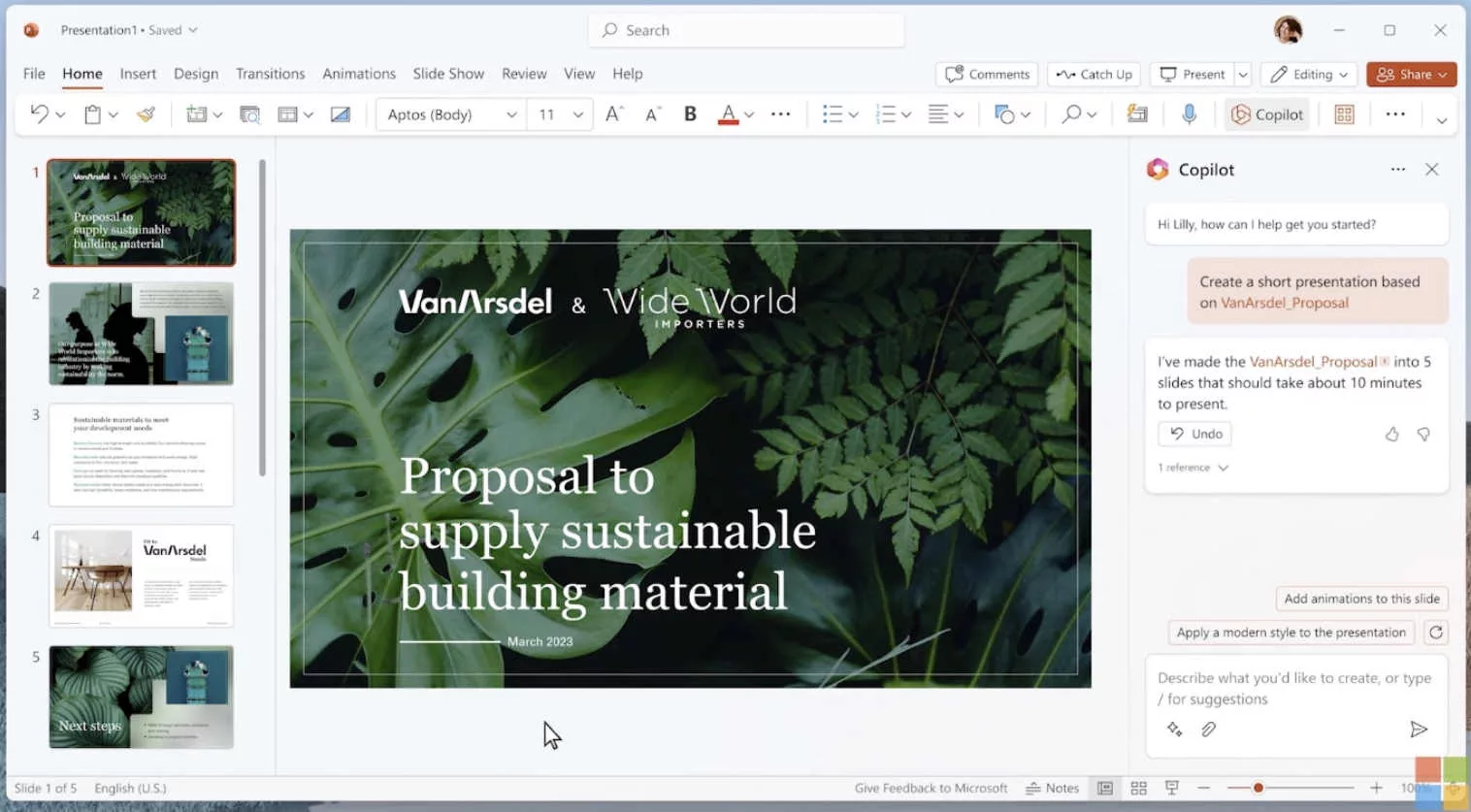
Microsoft Copilot for PowerPoint は、エンタープライズ向けに設計された AI アシスタントです。Microsoft 365 Copilot サブスクリプションの一部であり、Windows と Office エコシステムに深く統合されています。リボン上のボタンとしてだけでなく、Graph API 内に存在し、メール、Teams のチャット、SharePoint のファイルへアクセスできます。
Copilot の最大の強みは、既存の組織知識を統合できる点です。Word の 20 ページのホワイトペーパーがあれば、Copilot は核心となるテーマを抽出し、企業テンプレートに沿った 10 スライドのデッキを作成できると理論上は言えます。創造性よりも正確性と一貫性を重視し、内部向けのデッキを迅速に作成するプロフェッショナル向けに設計されています。
しかし、Copilot は単独のクリエイティブツールではありません。既存の PowerPoint アーキテクチャ内で動作するアドインです。そのため、PowerPoint の機能はすべて引き継ぎますが、同時にその複雑さも受け継ぎます。AI が生成するデザインは保守的で箇条書きが多く、従来の企業的美学を反映しがちです。
Gemini for Google Slides の概要
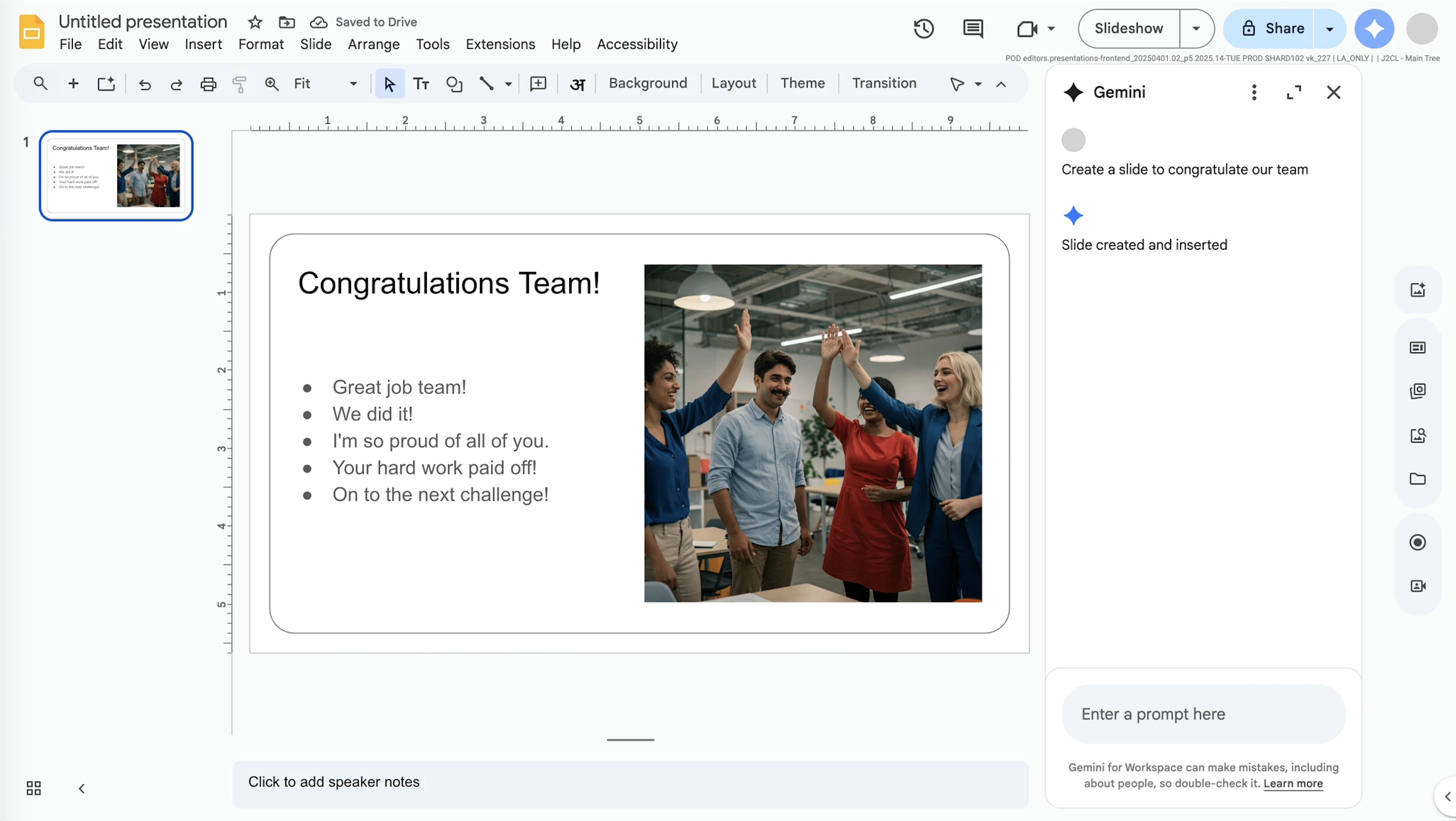
Google Gemini(旧称 Duet AI)は、Google Workspace 環境向けの同等の提供です。Google Slides にネイティブに組み込まれ、サイドパネルとして表示され、画像生成やスライドコンテンツ作成、メッセージの洗練を支援します。
Gemini は、Google Drive との統合性とアクセシビリティで際立ちます。Google Workspace は本質的にウェブベースで協働的であるため、Gemini の操作感はより流動的です。Google Doc や Gmail スレッドからデータを素早く取得し、スライドに反映できます。Google の最新 Imagen モデルを活用した画像生成ツールは、Microsoft の同等機能よりもスライド作成プロセスに深く統合されています。
Gemini は迅速なドラフト作成やブレインストーミングには優れていますが、外部向けピッチデッキに求められる高度なデザイン洗練には苦戦することがあります。出力はやや汎用的で、カスタムデザインのデッキが持つプロフェッショナルな仕上がりに欠ける標準的な Google Slides テーマに依存しがちです。より強力な代替案を求めるユーザー向けに、2026 Gemini for Google Slides の代替一覧 をご用意しています。
二大巨頭の主な違い
Copilot と Gemini を比較すると、違いは主に「コンテキスト」「デザイン」「コスト」の三つの柱に集約されます。
組織的コンテキスト vs. 個人の創造性
Copilot は「組織」向けに構築されており、Teams の会議や SharePoint のレポートを要約する際に最適です。ドキュメント間の関係性を理解します。一方、Gemini は「個人のアシスタント」のように感じられ、迅速で対話的です。「白紙」問題に優れ、深いエンタープライズ階層を意識せずにアイデアをスライドに素早く反映します。
デザイン哲学
Microsoft は構造化された従来型のレイアウトを好みます。タイトルスライドの後に箇条書きやストック画像が続くことが多く、機能的で安全です。Google の Gemini は AI 生成画像でやや実験的ですが、スライドレイアウトがやや疎かで一貫性に欠けることがあります。どちらのツールも、視覚的インパクトを重視する専門のベスト エンタープライズ AI プレゼンテーションツール のデザイン志向にはまだ及びません。
エコシステムロックイン
これが最大の要因と言えるでしょう。Google Workspace ユーザーは Copilot for PowerPoint を使用できず、Microsoft 365 環境の企業は Gemini for Google Slides を利用できません。このエコシステムロックインが、NextDocs のようなサードパーティツールの台頭を促しました。NextDocs はフォーマット横断で動作し、マルチバリアント生成や引用付きの深いリサーチといった、どちらの巨頭もまだ実現していない機能を提供します。
機能比較表
| 機能 | Microsoft Copilot for PowerPoint | Gemini for Google Slides | NextDocs (The AI-Native Choice) |
|---|---|---|---|
| カテゴリ | Microsoft 365 アドイン | Google Workspace アドイン | AI ネイティブ プレゼンテーションプラットフォーム |
| 価格 | 30ドル/ユーザー/月 | 無料プランあり / プロは20ドル以上 | 無料プランあり / プロオプション |
| 主な強み | エンタープライズデータコンテキスト | ネイティブなクラウド協働 | マルチバリアント選択とリサーチ |
| データ取得元 | SharePoint、Teams、Word、Excel | Google Drive、Docs、Gmail | 引用付きライブウェブリサーチ |
| デザイン品質 | 保守的、企業向け | シンプル、汎用的 | プロフェッショナル、ブランド一貫性 |
| エクスポート形式 | PPTX | Google Slides、PDF、PPTX | PPTX、Google Slides、PDF、Docs |
| 画像生成 | DALL‑E 3 統合 | Imagen 統合 | マルチモデルサポート |
| ユーザーコントロール | チャットベースの調整 | サイドパネルプロンプト | 完全手動+AI支援 |
価格比較
価格は二つのツールが最も大きく分かれる点です。Microsoft Copilot は厳密にプレミアム製品であり、ビジネス版には無料プランがありません。既存の Microsoft 365 Business または Enterprise ライセンスに加えて、1 ユーザーあたり月額 30 ドルの追加費用が必要です。小規模チームや個人にとっては大きな投資となります。
Gemini はより柔軟なエントリーポイントを提供します。最先端機能は Google Workspace Gemini アドオン(ユーザーあたり月額約 20 ドル)で制限されていますが、多くのユーザーは標準の Workspace サブスクリプションや個人の Google アカウントで基本的な AI 機能にアクセスできます。最もコスト効率の高い方法を探す場合は、2026 年無料 AI ピッチデックビルダー のガイドをご覧ください。
NextDocs は中間的な立場を取り、堅牢な無料プランを提供し、マルチバリアント生成などの高度な機能を、Microsoft が要求する月額 30 ドルの即時コミットメントなしで体験できます。
長所と短所
Copilot for PowerPoint
長所:
- Microsoft 365 エコシステムとの比類なき統合。
- 長文の Word ドキュメントをプレゼンテーションに変換する能力に優れる。
- スライド内容に基づく高品質なスピーカーノートを生成。
- エンタープライズレベルのセキュリティとデータプライバシー。
短所:
- 小規模チームにとっては非常に高価。
- デザイン出力がインスピレーションに欠け、古臭く感じられることがある。
- 手動介入なしではレイアウトの制御が限定的。
- 効果的に機能するには非常に特定のエコシステム設定が必要。
Gemini for Google Slides
長所:
- Google Drive と Docs のシームレスな統合。
- 迅速かつ直感的で、クイックドラフトに最適。
- 組み込みの強力な画像生成機能。
- より利用しやすい価格設定と実用的な無料プラン。
短所:
- コンテンツが時に汎用的または繰り返しになることがある。
- 専門ツールに比べテンプレートのバリエーションが限られる。
- デザイン品質がプロフェッショナル基準より低いことが多い。
- 複雑なデータ可視化に苦戦する。
NextDocs の代替案:マルチバリアントが重要な理由
Copilot と Gemini は強力ですが、共通の欠点があります。それは、スライドのバージョンを一つだけ提供し、ユーザーに修正を求める点です。この「受け入れるか放棄するか」の AI 生成アプローチは、スライドを自分で作成した場合よりも編集に時間がかかることが多いです。
NextDocs はマルチバリアント生成によりこの問題を解決するために作られました。プロンプトの解釈を一つだけ提供する代わりに、NextDocs は複数の異なるバージョンを生成します。視覚的なもの、テキスト中心のもの、データ駆動型のものなどがあり、ユーザーは最適な出発点を選択できます。これにより、単一の中途半端なスライドを修正しようとするよりもはるかに高速なワークフローが実現します。
さらに、NextDocs は一般的なチャットボットに見られる「幻覚」問題にも対処します。Copilot や Gemini が説得力のある事実を生成することがある一方で、NextDocs は深いリサーチ統合により、実際の引用付きでリアルタイムデータを取得します。これにより、正確でない情報を提示できないコンサルタントや研究者にとって好ましい選択肢となります。より多くの選択肢を求める方は、当社の専用レビューでCopilot for PowerPoint の代替一覧をご覧ください。
ワークフローと統合
これらのツールの選択は、ファイルがどこに保存されているかに依存することが多いです。会社が SharePoint を唯一の情報源として使用している場合、Copilot が論理的な選択となります。3 年前の PDF を見つけ出し、新しいプレゼンテーションの情報源として活用できます。この「組織的記憶」は大企業にとって大きな生産性向上です。
チームが Google Docs を中心に活動し、Slack や Gmail でコミュニケーションを行っている場合、Gemini の方が自然に感じられます。AI が同時にスライドを作成している間にコメントで同僚をタグ付けできる機能は、Google Workspace の特徴です。
しかし、現代の多くのプロフェッショナルは「エコシステムに流動的」です。Google Doc でレポートを書き、クライアント向けに PowerPoint ファイルとして提示する必要があることもあります。このような場合、NextDocs のようなツールのユニバーサルエクスポート機能が不可欠です。1 つの環境で生成し、フォーマットやブランドの一貫性を失うことなく PowerPoint または Google Slides にエクスポートできます。
デザインとビジュアルの磨き上げ
2026 年における「良い」プレゼンテーションの基準は高まっています。単に箇条書きがあるだけでは十分ではありません。Copilot はマスタースライドの安全性に固執しがちです。企業のカラーやフォントは尊重しますが、「モダン」や「革新的」なレイアウトを提案することはほとんどありません。
Gemini はレイアウト面でやや冒険的ですが、デザインの「論理性」に欠けることが多いです。見た目は良くてもテキストをサポートしない画像配置になることがあります。専門の AI ビルダーは要素間の関係を理解する「スマートレイアウト」へと進化しています。デザイン基準の変化について詳しくは、ベスト AI プレゼンテーションビルダー 2026 の記事をご覧ください。
最終判断:どちらを選ぶべきか
Copilot for PowerPoint と Gemini for Google Slides の選択は、通常は IT 部門が決定します。すでにどちらかのエコシステムにいる場合、別のエコシステムへ移行する摩擦は大きくなるでしょう。
Copilot for PowerPoint を選ぶべき場合:
- 既存の Microsoft 365 ドキュメントが豊富にある大企業。
- 最高レベルのデータセキュリティとコンプライアンスが必要。
- スピーカーノートや従来の企業構造を重視。
Gemini for Google Slides を選ぶべき場合:
- リアルタイム協働が活きるスタートアップやクリエイティブエージェンシー。
- アイデアをスライドに素早く、低コストで反映したい。
- クラウドネイティブでブラウザベースのワークフローを好む。
NextDocs を選ぶべき場合:
- PPTX と Google Slides へのユニバーサルエクスポートで、両方の長所を活かしたい。
- 「ワンショット」AI に飽きて、マルチバリアント生成による選択肢を求めている。
- スライドを AI 生成の無意味な情報ではなく、実際のリサーチと引用で裏付けたい。
- Microsoft も Google も現時点で提供していない、プロフェッショナルでデザイナー品質の出力が必要。
最終的に、AI は専門知識を強化するツールであり、置き換えるものではありません。Copilot のエンタープライズパワー、Gemini の協働の容易さ、または NextDocs のリサーチ主導の柔軟性のいずれを選んでも、目的は同じです。より短時間で、より説得力のあるストーリーを伝えることです。
より良いプレゼンテーションを作成する準備はできましたか?
Try NextDocs Free とマルチバリアント生成、ユニバーサルエクスポート、深いリサーチ統合を体験してください。クレジットカードは不要です。