

Google Slides における AI の進化
プレゼンテーションデザインの環境はここ数年で劇的に変化しました。プロフェッショナルはもはや白紙のキャンバスと点滅するカーソルから始めることはなく、代わりにプロンプトから開始します。Google Workspace エコシステム内で作業している人にとって、スライド作成プロセスを自動化する主要な選択肢として、Gemini for Google Slides と MagicSlides の二つが台頭しています。
両ツールは同じプラットフォーム向けのアドインとして機能しますが、提供する哲学は異なります。Gemini は Google が生産性スイートに直接 AI を組み込もうとするネイティブな試みです。一方、MagicSlides は特定のコンテンツ再利用課題を解決するために設計された専門的なサードパーティツールです。どちらを選ぶかは、深いエコシステム統合が必要か、動画からスライドへの変換といった特定のユーティリティ機能が必要かを理解する必要があります。
この比較を進めるにあたり、2026 年に利用可能な best AI presentation builders と比較してこれらのツールがどのように位置付けられるかを考慮することも重要です。アドインは便利ですが、専用プラットフォームが持つデザインの深さに対してはしばしば不足します。
Gemini for Google Slides の概要
Gemini for Google Slides は Google Workspace 環境に直接統合されたネイティブ AI アシスタントです。これは、Google がクラウドベースのオフィススイート全体に生成 AI を導入しようとする広範な戦略の一部です。すでに Google Workspace Business または Enterprise ライセンスを購入しているユーザーにとって、Gemini は最も抵抗の少ない選択肢となります。
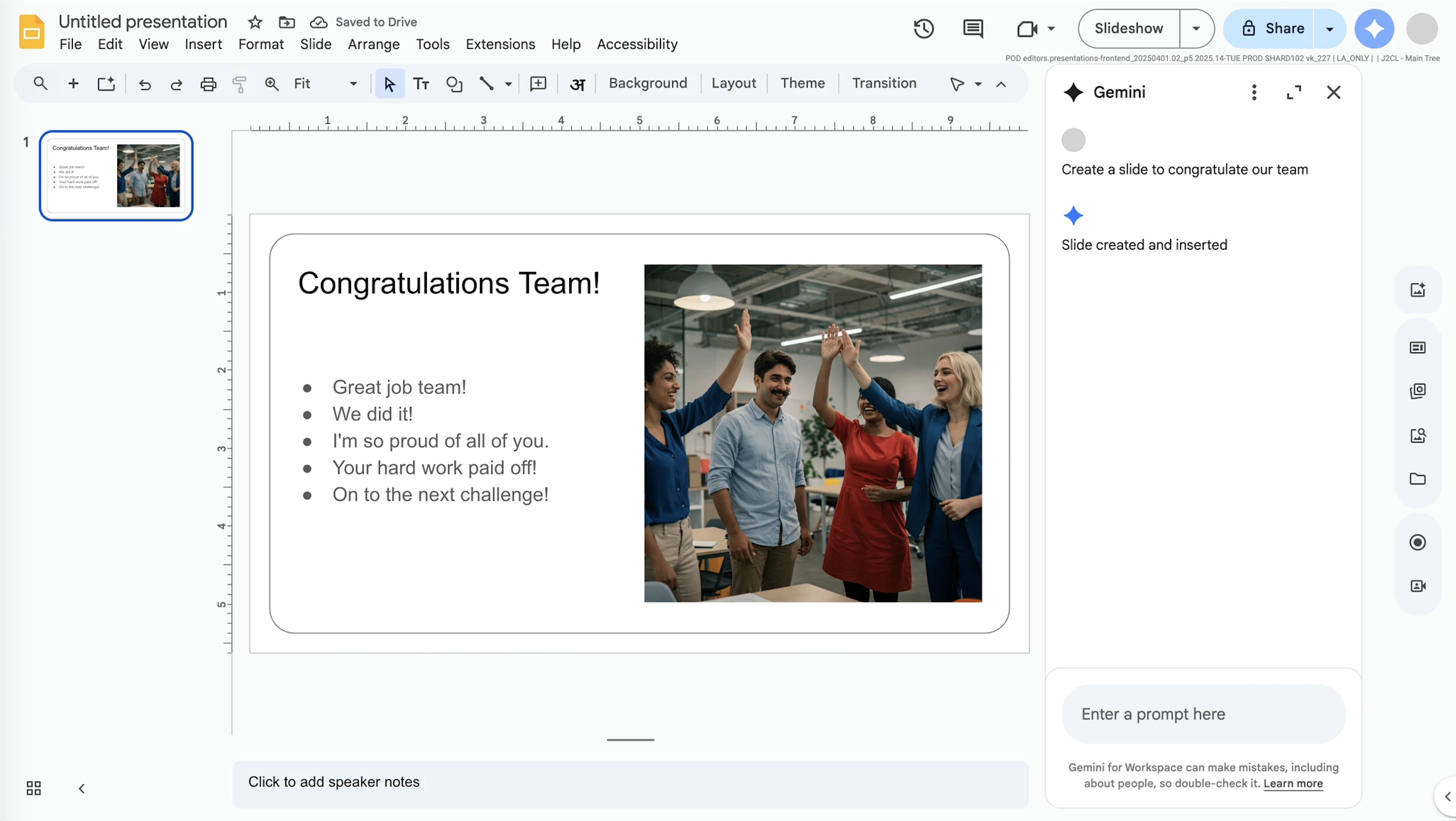
このツールは Google Slides のサイドパネルとして表示されます。ユーザーは新しいスライドの生成、カスタム画像の作成、既存コンテンツの要約が可能です。Google 製品であるため、Google Drive 内の他のファイルを参照できるという独自の利点があります。たとえば、Google ドキュメントにプロジェクト提案書がある場合、Gemini は理論的にその文書から情報を取得し、スライドに反映させることができます。
しかし、ネイティブ統合が必ずしも高品質を意味するわけではありません。テストでは、Gemini はしばしば汎用的なレイアウトを生成し、プロの基準を満たすためにはかなりの手動調整が必要でした。内部ドラフトや迅速な概念化には優れていますが、ハイステークスな投資家向けミーティングには不足することがあります。より堅牢なオプションを求める場合は、2026 Gemini Google Slides alternatives を検討することがしばしば必要です。
MagicSlides の概要
MagicSlides は、速度とコンテンツ変換に重点を置いた人気のサードパーティアドオンです。汎用アシスタントを目指す Gemini とは異なり、MagicSlides はテキストや外部メディアをプレゼンテーションに変換することに特化して構築されています。既存の素材を再利用する必要がある教育者、トレーナー、コンテンツクリエイターの間で大きな支持を得ています。
MagicSlides の際立った機能の一つは、YouTube の URL を取得し、動画コンテンツを構造化されたスライドデッキに変換できる点です。講義やウェビナーを要約する必要がある人にとっては大幅な時間短縮になります。また、長文テキストや PDF ドキュメントをスライドに変換することもサポートしています。
トレードオフとしてデザイン品質があります。MagicSlides は非常に硬直した基本的なテンプレートに従う傾向があります。画面に文字を表示させる点では優れていますが、手動で多く調整しなければ「デザイナーが作成した」ような見た目になることはほとんどありません。デザインの制限が厳しすぎると感じた場合は、より美的柔軟性を提供する MagicSlides alternatives を検討すると良いでしょう。
両ツールの主な違い
Gemini と MagicSlides の選択は、通常、コンテンツソース、デザインコントロール、エコシステム統合という3つの主要要因に集約されます。
コンテンツソース
Gemini はプライベートな Google Drive エコシステムから情報を取得するのが得意で、既存のドキュメントやシートを理解します。一方、MagicSlides は外部コンテンツの王者で、YouTube 動画や外部 PDF を取り込む能力により、リサーチや再利用においてより汎用的なツールとなります。
デザインとレイアウト
Gemini は Google の標準テーマを使用し、ビジュアル支援のための組み込み画像ジェネレーターを備えていますが、レイアウトはしばしばシンプルな箇条書きに留まります。MagicSlides はデザイン面でさらに制限が厳しく、まるでウェブデザインの初期時代のツールのように感じられます。両ツールとも、より洗練されたレイアウトエンジンを使用する enterprise AI pitch deck builders のような高品質な出力には及びません。
ワークフロー統合
Gemini は Google Slides のインターフェースの一部に過ぎないため「見えない」存在です。追加のアカウント管理は不要です。MagicSlides はサードパーティのアドオンで、独自のサブスクリプションと権限が必要です。Google Slides 内に存在しますが、やや断片的な体験となります。
NextDocs の代替案:マルチバリアント生成が重要な理由
Gemini と MagicSlides のような2つのアドインを比較すると、多くのプロは依然として多くの手作業を行っていることに気づきます。両ツールは通常、プレゼンテーションの1つのバージョンしか提供しません。気に入らなければ、再度プロンプトを入力し、うまくいくことを期待するしかありません。
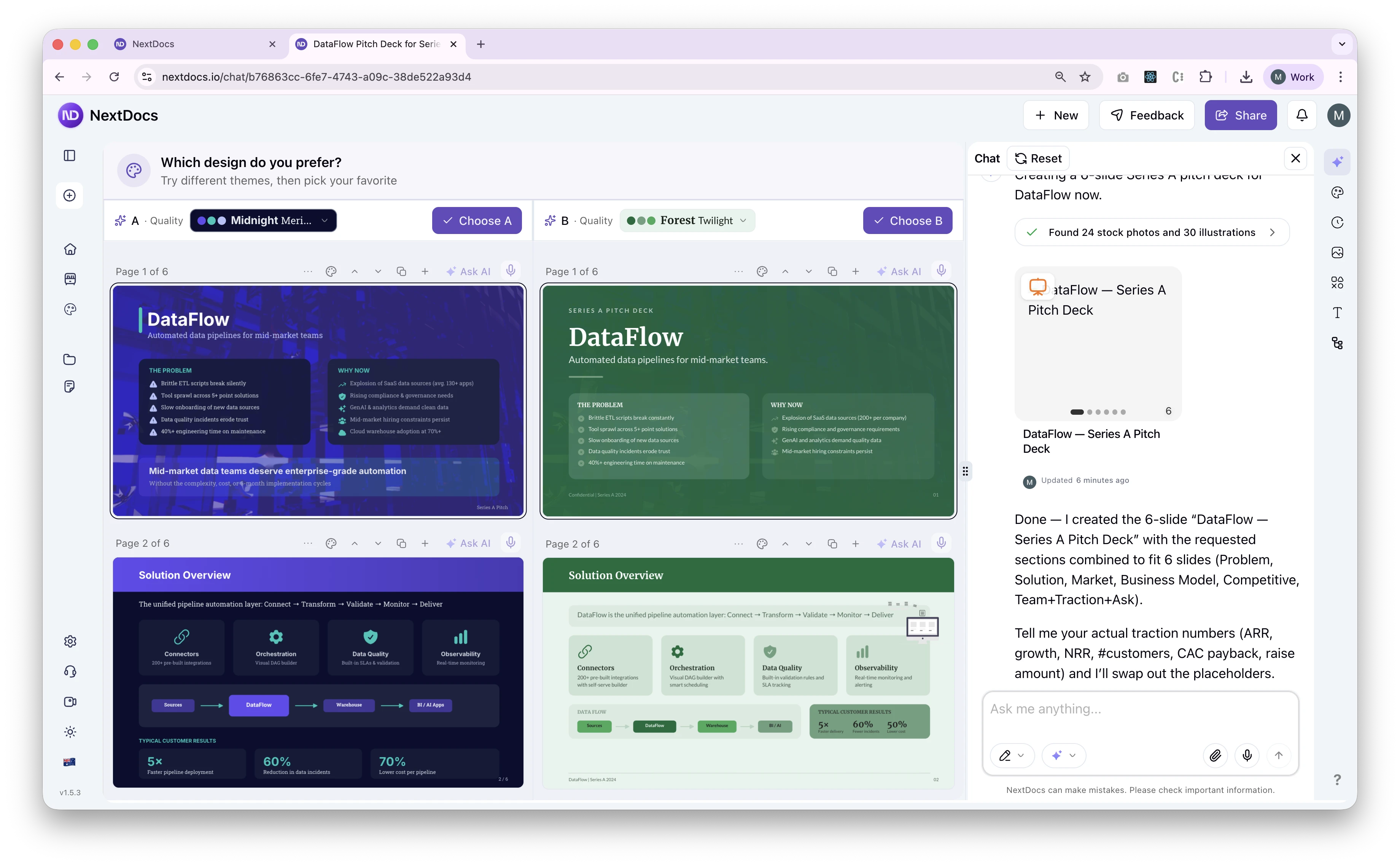
NextDocs はこの「受け入れるか、放棄するか」問題を解決するために作られました。単一のデッキを生成する代わりに、NextDocs はマルチバリアント生成を使用します。つまり、プロンプトごとに複数の異なる解釈とデザイン方向が提供されます。あるバージョンはデータ中心のストーリーに焦点を当て、別のバージョンはよりビジュアルでインパクトのあるアプローチを取ります。
さらに、Gemini と MagicSlides が Google エコシステムに固定されているのに対し、NextDocs は汎用的なエクスポートを提供します。プレゼンテーションを生成し、Google Slides、PowerPoint、または PDF にエクスポートできます。これにより、市場で最も汎用性の高い powerpoint AI add-ins およびスタンドアロンツールの一つとなります。
機能比較表
| 機能 | Gemini for Google Slides | MagicSlides | NextDocs |
|---|---|---|---|
| 主要プラットフォーム | Google Slides | Google Slides | Webネイティブ / ユニバーサル |
| コンテンツ入力 | プロンプト、Google Drive | プロンプト、YouTube、PDF | プロンプト、深層リサーチ、マルチモデル |
| 生成スタイル | 単一出力 | 単一出力 | マルチバリアント(複数選択肢) |
| 画像生成 | あり(組み込み) | 限定的 | あり(高品質) |
| エクスポート形式 | Google Slides、PDF、PPTX | Google Slides | PPTX、Google Slides、PDF、Docs |
| リサーチ機能 | 基本的なDrive検索 | 基本的な要約 | 実際の引用付き深層リサーチ |
| 推奨対象 | 社内Workspaceユーザー | コンテンツ再利用 | プロフェッショナルなピッチデックとレポート |
価格比較
Gemini の価格
Gemini は通常、Google Workspace AI アドオンプランに含まれています。個人ユーザーの場合、Gemini Advanced は月額約20ドルで、2TB のストレージとすべての Google アプリでの AI 機能が含まれます。基本的な利用向けに無料プランも用意されており、free AI slide maker for 2026 として手軽に利用できます。
MagicSlides の価格
MagicSlides は、月間で作成できるプレゼンテーション数と文字数に制限のある無料プランを提供しています。有料プランは Pro バージョンで月額約8ドルから始まります。これにより、Google Workspace AI スイート全体を必要としない学生や個人クリエイターにとって非常に手頃なオプションとなります。
NextDocs の価格
NextDocs はプロフェッショナル向けに設計された柔軟な価格モデルを提供しています。開始できる実質的な無料プランがあり、有料の Pro プランは月額約15ドルからで、深層リサーチやマルチバリアント生成といった高度な機能が利用可能です。市場の中間価格帯に位置しながら、はるかに高いプロフェッショナルな実用性を提供します。
長所と短所
Gemini for Google Slides
長所:
- Google Workspace エコシステムとのシームレスな統合。
- 既存ユーザーは追加のソフトウェアやアカウントが不要。
- プライベートな Google Drive のコンテンツを参照可能。
- 組み込みの画像生成によりビジュアルのバリエーションが向上。
短所:
- 出力が汎用的でプロフェッショナルな「仕上がり」に欠けることがある。
- 専門ツールに比べテンプレートのバリエーションが限られる。
- AI の提案がスライドのテーマと乖離していると感じることがある。
- 最適な機能を利用するには特定の Google Workspace サブスクリプションが必要。
MagicSlides
長所:
- YouTube 動画をプレゼンテーションに変換する能力が卓越している。
- 非常にシンプルで高速なユーザーインターフェース。
- 個人ユーザー向けの手頃なエントリーポイント。
- 長文ドキュメントの迅速な要約作成に適している。
短所:
- 非常に基本的なデザイン美学で、しばしば大幅な編集が必要。
- Google Slides のみで利用可能。
- Gemini が持つ組織的認識がない。
- ソーステキストに依存し、出力品質が一貫しないことが多い。
深層リサーチと正確性
AI プレゼンテーション領域での大きな課題の一つは「ハルシネーション」で、AI が事実や統計を捏造してしまうことです。私たちの blogs/best-ai-presentation-builders-2026 ラウンドアップでは、各ツールのデータ処理方法を取り上げました。
Gemini は基盤となる LLM と Drive のデータに依存します。データが Drive に無い場合、一般的な知識に頼ることになり、古い情報になる可能性があります。MagicSlides は主に提供されたテキストを要約します。ソーステキストが誤っていれば、スライドも誤った内容になります。
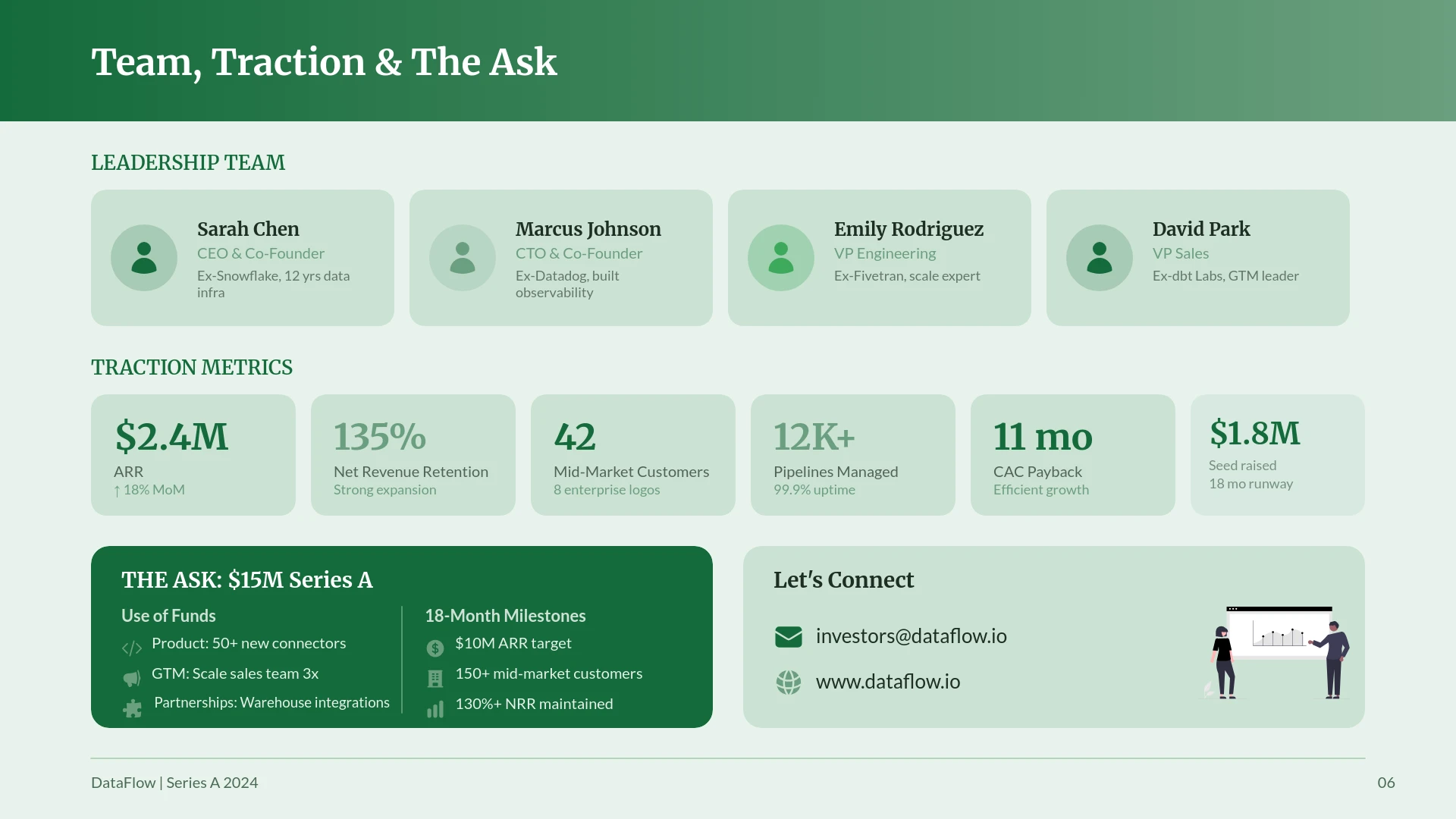
NextDocs は深層リサーチツールを統合することで異なるアプローチを取ります。ライブウェブを閲覧し、最新の市場データ、競合情報、検証済みの統計を取得し、結果に引用を付与します。これにより、プレゼンテーションの内容はデザインと同様にプロフェッショナルなものとなります。
結論と推奨
Gemini と MagicSlides の選択は、あなたの具体的なワークフローのニーズに依存します。
以下の場合は Gemini for Google Slides を使用すべきです:
- Google Workspace を多用し、シンプルで統合されたスライド作成方法を求めている場合。社内ミーティング、チームアップデート、Google Docs や Sheets に必要な情報がすでに保存されている状況で最適です。
以下の場合は MagicSlides を使用すべきです:
- 主にコンテンツの再利用が目的の場合。講義をデッキに変換する教師や、ブログ記事をプレゼンテーションに変えるマーケターにとって、MagicSlides の YouTube や PDF 変換機能は非常に価値があります。デザインより速度を重視したユーティリティツールです。
以下の場合は NextDocs を使用すべきです:
- プロフェッショナル、コンサルタント、または創業者で、高品質な最終成果物が必要な場合。スライドが基本的なテンプレートのように見える余裕がないなら、マルチバリアント生成と汎用エクスポート機能により NextDocs が優れた選択肢となります。スタンドアロンプラットフォームの深さと、クライアントが好むエコシステムで作業できる柔軟性を提供します。
AI プレゼンテーションソフトウェアの世界は急速に進化しています。アドインは便利ですが、真に自動化されたプロフェッショナルデザインへの長い旅路の第一歩に過ぎないことが多いです。Gemini のようなネイティブツールや MagicSlides のような専門ツールを選ぶにせよ、best AI presentation builders を常にチェックし、2026 年に競争力を保ちましょう。
より良いプレゼンテーションを作成する準備はできましたか?
Try NextDocs Free でマルチバリアント生成、汎用エクスポート、深層リサーチ統合を体験してください。クレジットカードは不要です。