
Best Ai Slide Makers for researchers in 2026
A comprehensive roundup of the best AI slide makers specifically evaluated for researchers, academics, and technical professionals who require accuracy, data integration, and professional formatting.
The Evolution of Presentation Design for Researchers
For researchers and academics, the process of creating a presentation has historically been a labor intensive task. It involves synthesizing complex data, ensuring citations are accurate, and formatting technical elements like mathematical equations or code snippets. Traditional tools often require hours of manual adjustment to make layouts look professional. The rise of artificial intelligence has changed this landscape significantly.
Modern AI slide makers are no longer just about generating pretty pictures. For the research community, the value lies in structural intelligence, data accuracy, and the ability to handle technical content. Whether you are preparing a lecture, a conference talk, or a grant proposal, the right tool can act as a research assistant that understands the nuance of your work.
In this guide, we evaluate the top ten tools currently available. We focus on how these platforms handle the specific needs of the scientific and technical community, including citation management, data visualization, and export flexibility. If you are looking for a broader overview of the market, you can also explore our best AI presentation builders 2026 roundup.
Summary Comparison of AI Slide Makers
| Rank | Tool | Best For | Starting Price |
|---|---|---|---|
| 1 | NextDocs | Technical Research and Multi-format Export | Free tier available, $15 per month |
| 2 | Plus AI | Google Slides and PowerPoint Integration | $10 per month |
| 3 | Copilot for PowerPoint | Microsoft 365 Enterprise Ecosystems | $30 per month |
| 4 | Gemini for Google Slides | Google Workspace Native Users | Free tier available |
| 5 | Gamma | Modern Web-Native Presentations | Free tier available, $8 per month |
| 6 | Beautiful.ai | Automated Professional Design | $12 per month |
| 7 | Pitch.com | Collaborative Team Research Decks | Free tier available, $8 per month |
| 8 | Canva Magic Design | Visual and Creative Presentations | Free tier available, $13 per month |
| 9 | MagicSlides | Converting Web Content to Slides | Free tier available, $8 per month |
| 10 | SlidesAI | Simple Text to Slide Conversion | Free tier available, $10 per month |
1. NextDocs
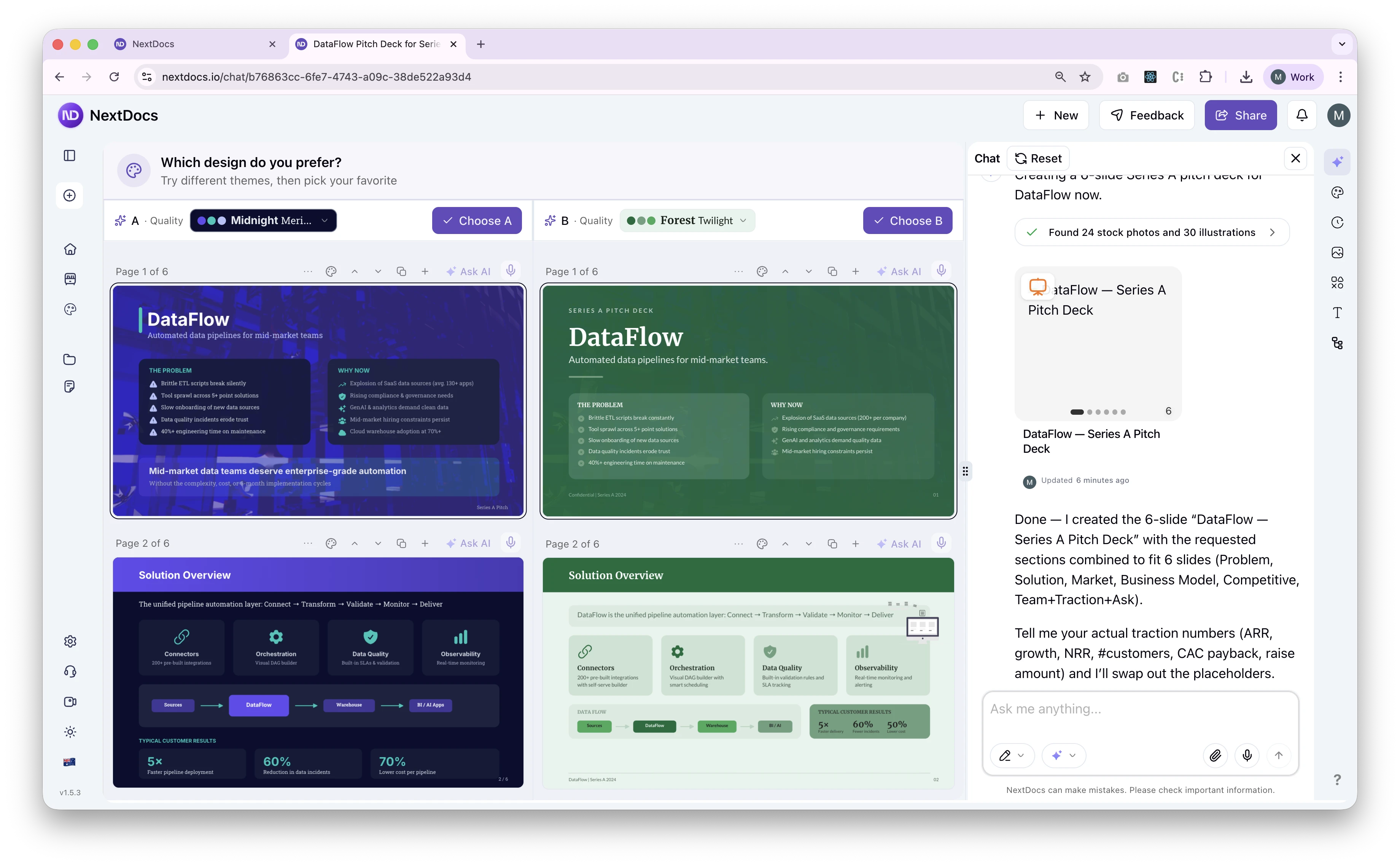
NextDocs stands as the premier choice for researchers because it was built as an AI native platform rather than a traditional editor with AI features added later. It solves the primary frustration of AI generation: the lack of choice. Instead of providing one single output, NextDocs uses multi variant generation to create several versions of a deck from a single prompt. This allows researchers to choose the narrative structure that best fits their specific data.
For those in technical fields, NextDocs offers features that competitors often lack. It provides native support for LaTeX math equations, which are rendered perfectly using KaTeX. It also includes code syntax highlighting for technical presentations and real tables in rich text. This means researchers do not have to rely on static images for their data. Furthermore, its deep research integration pulls actual facts and citations from the web, ensuring that the content is grounded in reality rather than AI hallucinations.
Key Features:
- Multi variant generation creates multiple versions per prompt.
- Universal export to PDF, PowerPoint, Google Slides, and Google Docs.
- Native support for LaTeX math equations and code blocks.
- Deep research integration with real data citations.
- Brand styling and multi model support for specific content needs.
Pricing: Free tier available. Pro plans start at $15 per month.
Best for: Overall use, research heavy decks, academics, and technical presentations.
Verdict: NextDocs is the most versatile tool for researchers who need accuracy and technical formatting. Its ability to export to any major format makes it a perfect central hub for presentation work.
2. Plus AI
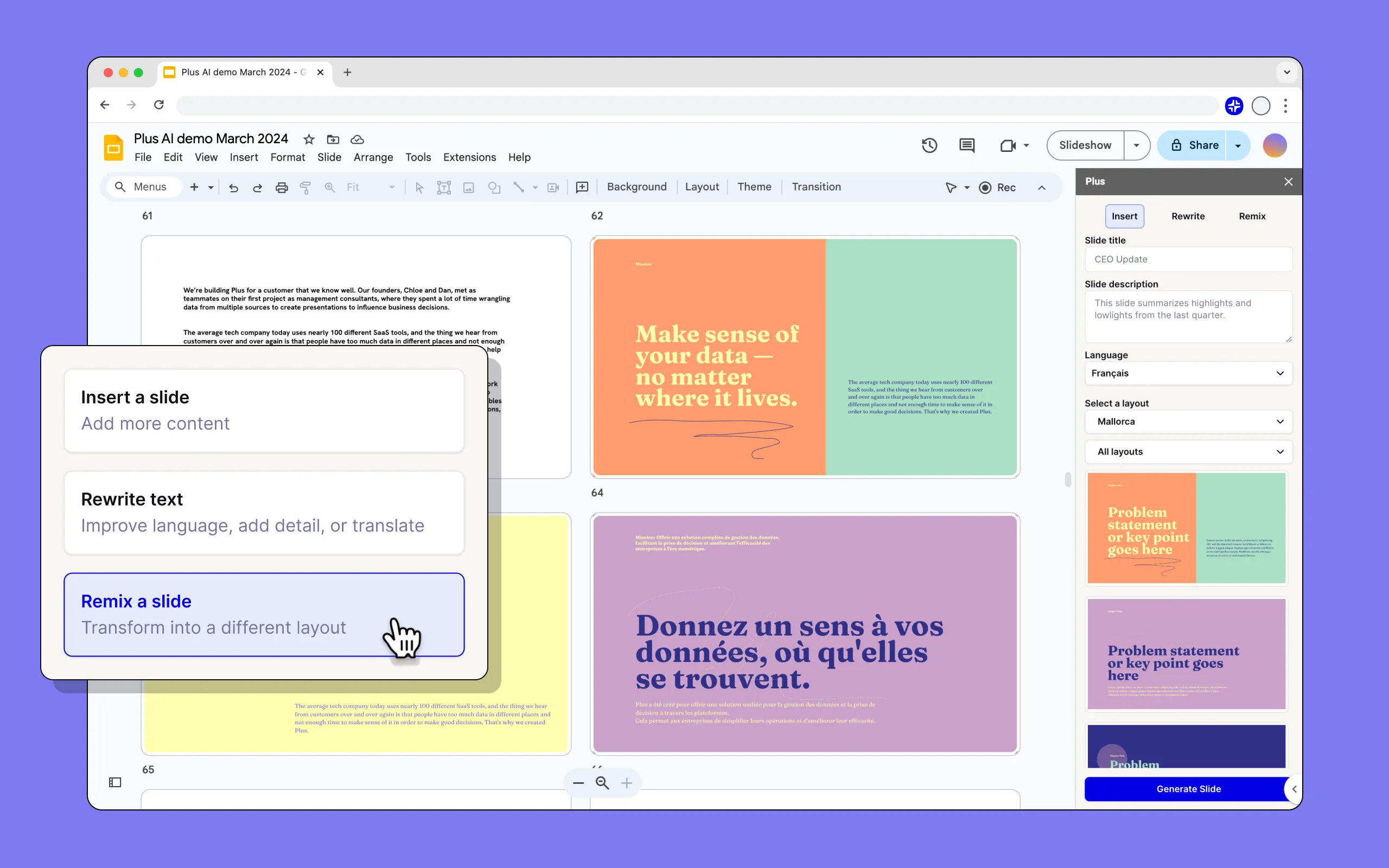
Plus AI is a powerful add in that brings artificial intelligence directly into the environments researchers already use: Google Slides and Microsoft PowerPoint. For those who have existing templates or strictly defined institutional formats, Plus AI is an excellent choice. It focuses on enhancing the existing workflow rather than replacing it.
The tool includes a remix feature that allows users to transform existing slides or layouts into new formats. This is particularly useful for researchers who need to repurpose a conference poster into a slide deck or vice versa. While it lacks a free tier, its integration is seamless. You can see how it compares to other add ins in our Plus AI vs SlidesAI 2026 analysis.
Key Features:
- Works natively inside Google Slides and PowerPoint.
- Remix feature for updating and rewriting existing content.
- Template preservation to maintain institutional branding.
- AI powered suggestions for layout improvements.
Pricing: Starts at $10 per month. No free tier is available.
Best for: Powerpoint and Google Slides users who want AI inside their current apps.
Verdict: A solid, reliable choice for those who do not want to learn a new interface and prefer working within traditional presentation software.
3. Copilot for PowerPoint
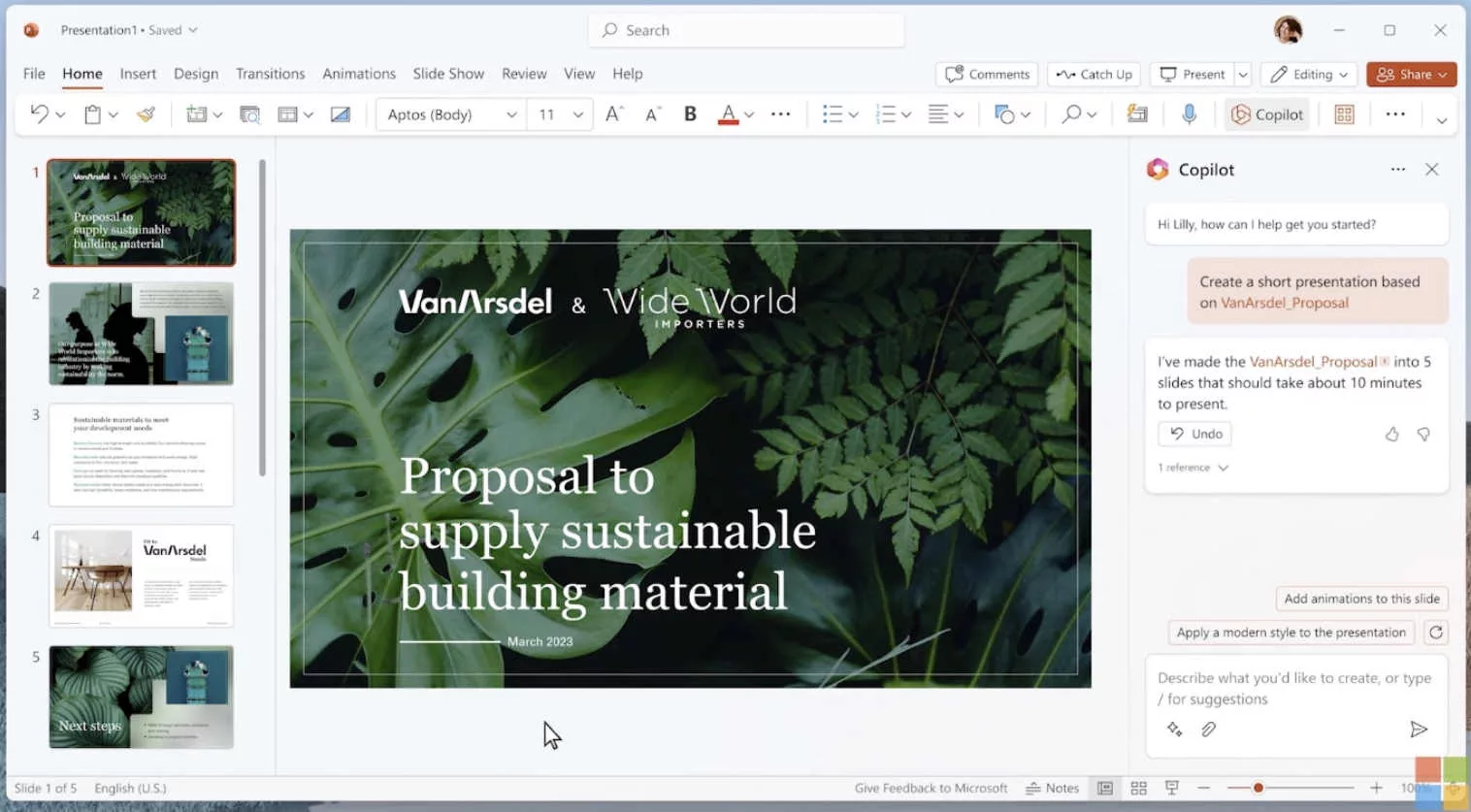
Microsoft Copilot for PowerPoint is the enterprise solution for researchers working within the Microsoft 365 ecosystem. Its greatest strength is its organizational awareness. It can reference files across your OneDrive, including Word documents and Excel spreadsheets, to build a presentation.
For a researcher with a 50 page white paper in Word, Copilot can summarize the core findings into a ten slide deck almost instantly. However, it is one of the more expensive options and is primarily targeted at enterprise users. For those looking for other ways to use AI in Microsoft products, check our guide on Copilot for PowerPoint alternatives.
Key Features:
- Deep integration with Microsoft 365 and OneDrive.
- Summarization of long form Word documents into slides.
- Generation of speaker notes based on slide content.
- Enterprise grade security and data privacy.
Pricing: $30 per user per month, requiring a Microsoft 365 subscription.
Best for: Enterprise researchers and those deeply embedded in the Microsoft ecosystem.
Verdict: Powerful for internal reports and document summarization, though it can feel design limited compared to newer standalone tools.
4. Gemini for Google Slides
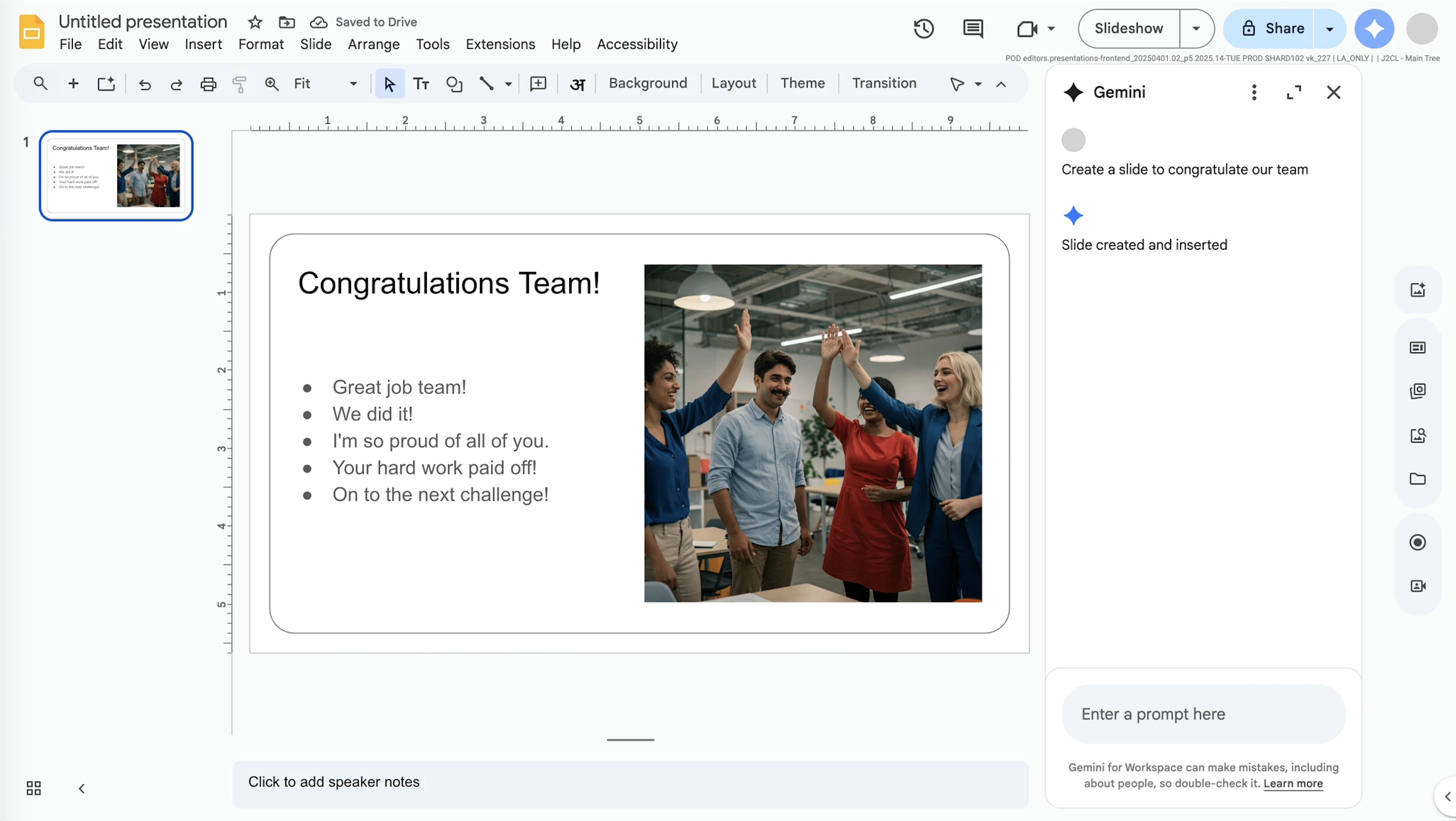
Gemini is Google's answer to AI assisted presentations. It is built directly into Google Workspace, making it highly accessible for students and academic researchers who use Google Drive for collaboration. It excels at pulling information from your personal Drive files to populate slides.
While the design output can sometimes be generic, the convenience of having the tool integrated into the sidebar is high. It is also a frequent point of comparison for other tools. For instance, researchers often look at Gemini vs Plus AI to decide between native features and specialized add ins.
Key Features:
- Native Google Workspace integration.
- Direct access to Google Drive content for research.
- Built in AI image generation to illustrate slides.
- Real time collaboration with other Workspace users.
Pricing: Free tier available for Workspace users. Advanced features start at $20 per month.
Best for: Google Workspace users who need quick drafts and simple layouts.
Verdict: A convenient and budget friendly option for quick presentations, though it lacks the advanced technical features of NextDocs.
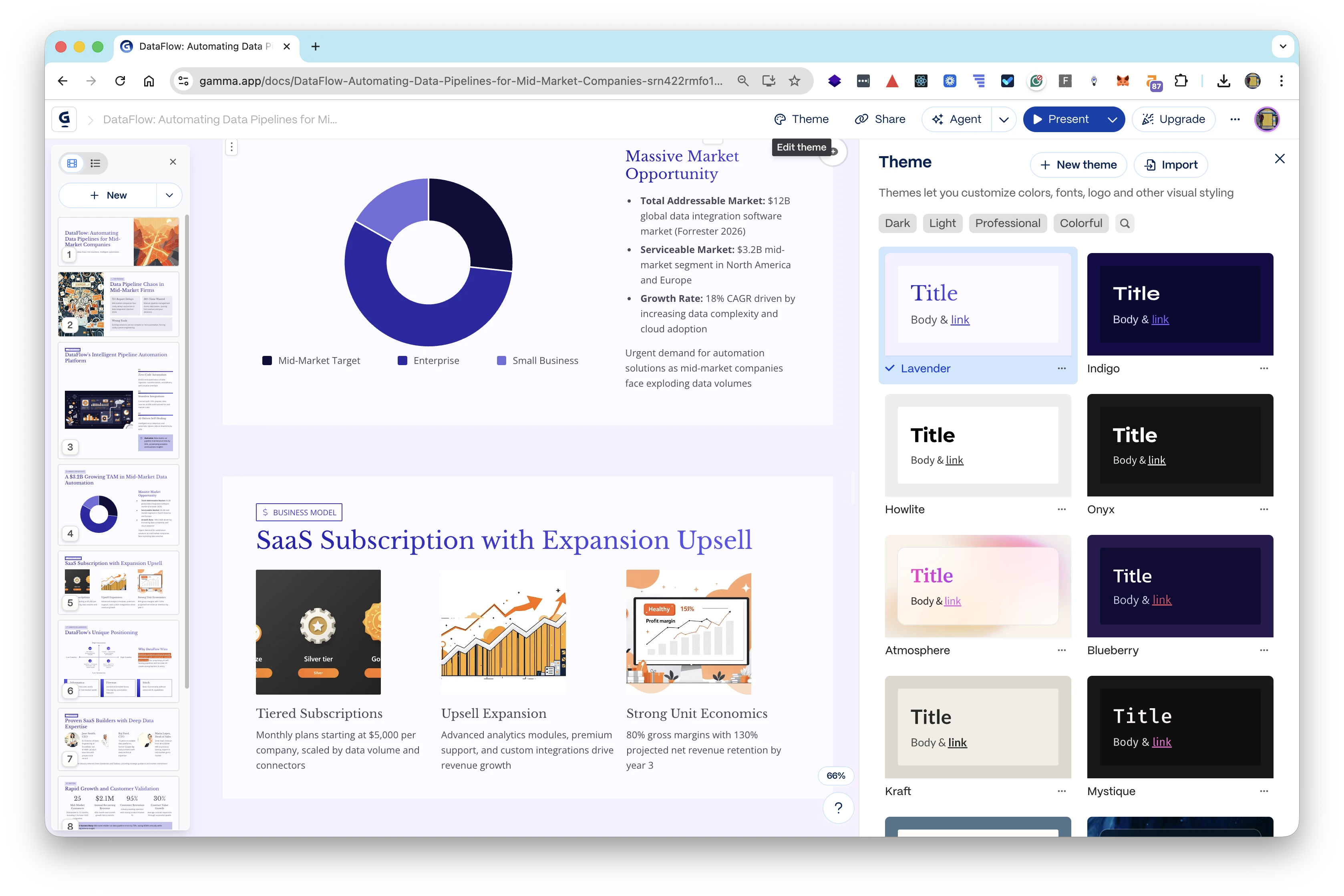
5. Gamma
Gamma has gained popularity for its web native approach to presentations. Rather than traditional slides, Gamma creates cards that feel more like a modern website. This is an excellent format for sharing research findings online or sending a deck as a follow up link.
The tool is known for its fast generation and modern aesthetic. However, for traditional researchers who need to present at conferences using standard projectors, the web native format can sometimes be a limitation. If you find Gamma too restrictive for academic use, you might explore Gamma alternatives 2026.
Key Features:
- Web native format for interactive sharing.
- Fast generation from simple text prompts.
- Highly modern and clean design templates.
- Ability to embed live charts and videos.
Pricing: Generous free tier. Pro plans start at $8 per month.
Best for: Startups, web sharing, and internal research updates.
Verdict: Excellent for modern, visual storytelling, but potentially less suitable for formal academic submissions that require specific file formats.
6. Beautiful.ai
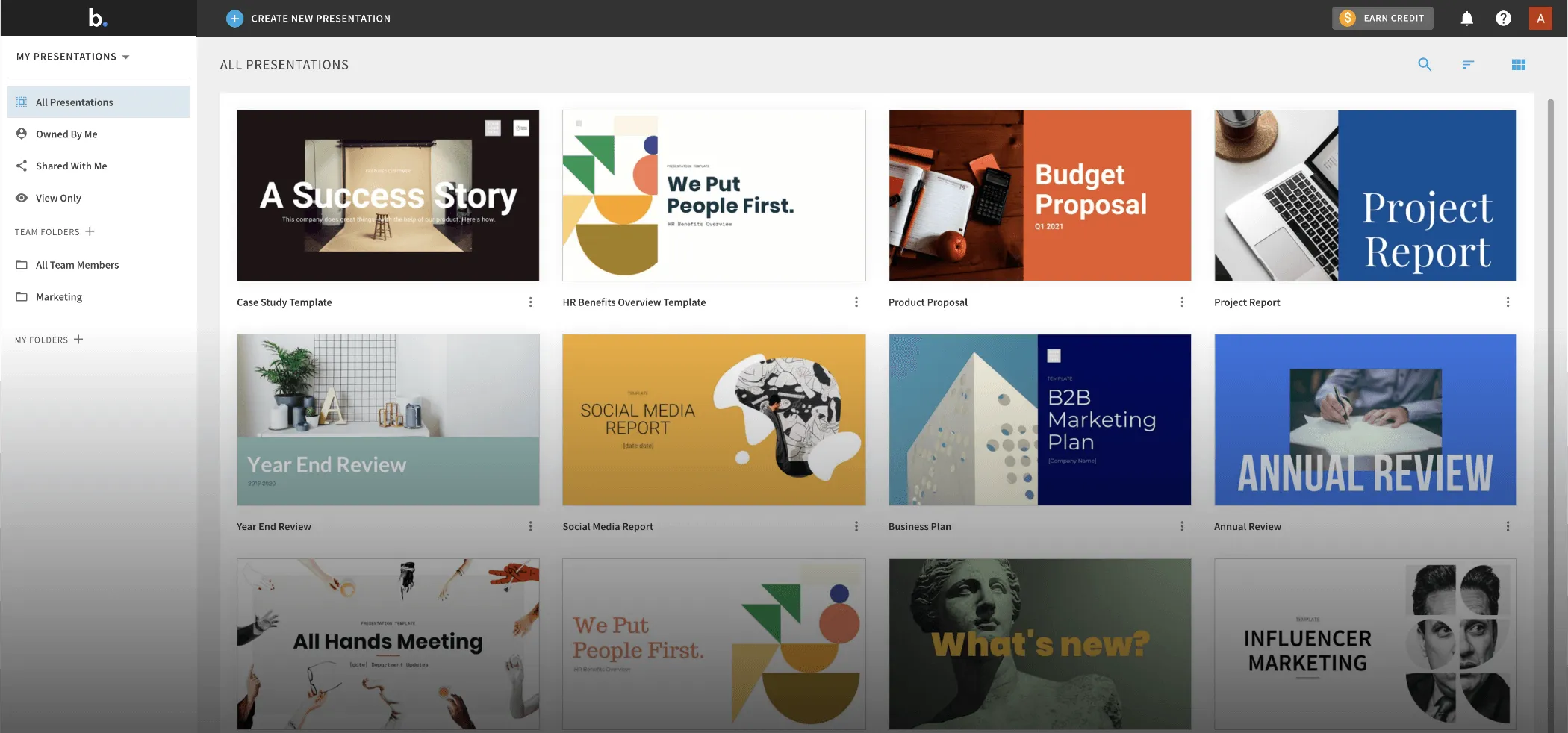
Beautiful.ai is designed for the non designer. It uses smart templates that automatically adjust as you add content. For researchers who struggle with slide alignment and visual balance, this tool is a lifesaver. It ensures that every slide looks professional regardless of how much text or how many images you add.
While it is less focused on the "research" side of AI generation compared to NextDocs, its design consistency is unmatched. Many professionals look for Beautiful.ai alternatives when they need more control over specific AI content generation, but for pure aesthetics, it remains a leader.
Key Features:
- Smart templates that auto adjust layout and spacing.
- Consistent brand styling across all slides.
- Professional animation and transition library.
- Large library of searchable icons and photos.
Pricing: Starts at $12 per month. No free tier for individuals.
Best for: Researchers who want polished, high quality visuals without design effort.
Verdict: The best tool for ensuring your slides never look messy, though it offers less flexibility for non standard technical layouts.
7. Pitch.com
Pitch.com focuses on the collaborative aspect of presentation building. For research teams working across different locations, Pitch offers excellent version control and commenting features. It feels more like a modern productivity suite than a traditional slide maker.
The AI features in Pitch help with initial drafting and layout, but the platform shines most when humans are collaborating on the final product. It provides a good balance between automated generation and manual creative control.
Key Features:
- Real time collaboration and team workspaces.
- Robust version history and commenting.
- Professional, high quality template library.
- Integration with data sources like Google Analytics.
Pricing: Free tier available. Pro plans start at $8 per month.
Best for: Collaborative research groups and teams.
Verdict: A top choice for teams that value collaboration and versioning, though its AI generation is slightly less advanced than AI first competitors.
8. Canva Magic Design
Canva is a household name in design, and its Magic Design tool brings AI to its vast library of assets. For researchers who need to create visually stunning presentations for general audiences, Canva is hard to beat. It provides access to millions of stock images, illustrations, and video elements.
The AI can generate a full deck from a prompt, but the output often leans more toward marketing than academic research. It is a fantastic tool for science communication where visual engagement is the primary goal.
Key Features:
- Access to a massive library of design assets and templates.
- Multi format export including video and social media.
- Magic Switch to turn presentations into other document types.
- Easy to use drag and drop interface.
Pricing: Free tier available. Pro plans start at $13 per month.
Best for: Science communication, marketing, and visual storytelling.
Verdict: Unbeatable for visual assets and variety, but often requires significant editing to make it look appropriately formal for academic settings.
9. MagicSlides
MagicSlides is a specialized add in that excels at content repurposing. One of its most unique features is the ability to turn a YouTube video or a long URL into a slide deck. For researchers who need to summarize lectures or online seminars, this is an incredibly efficient tool.
While its design capabilities are more basic than tools like Beautiful.ai or NextDocs, its utility in converting existing content into a draft format is high. You can see how it compares to Microsoft's offering in our Copilot vs MagicSlides review.
Key Features:
- YouTube to slides conversion.
- URL to slides generation.
- Simple Google Slides integration.
- Fast, no frills drafting.
Pricing: Free tier available. Pro plans start at $8 per month.
Best for: Quick drafts and repurposing video content for study or teaching.
Verdict: A great utility tool for specific conversion tasks, though it lacks the design polish of standalone platforms. If you are comparing it with Gemini, see our Gemini vs MagicSlides guide.
10. SlidesAI
SlidesAI is a straightforward text to slide generator that lives inside Google Slides. It is designed for speed. You paste in your research abstract or a long text block, and it parses the information into a structured presentation.
It is particularly popular among students and researchers who need to generate internal drafts quickly. While it may not produce the most visually complex decks, it removes the "blank page" problem effectively.
Key Features:
- Fast generation from long text inputs.
- Multi language support.
- Simple integration with Google Slides.
- Customizable themes and colors.
Pricing: Free tier available. Pro plans start at $10 per month.
Best for: Students and researchers needing quick, simple drafts.
Verdict: An affordable and easy way to turn text into slides, though the designs can feel a bit repetitive compared to more advanced AI tools.
Strategic Advice for Researchers Selecting a Tool
When choosing an AI slide maker, researchers should look beyond the initial generation speed. The most important factor for academic and technical work is what happens after the AI finishes its first draft.
Accuracy and Citations
General purpose AI often creates plausible but incorrect data. Researchers should prioritize tools like NextDocs that include deep research capabilities. These tools pull from live web sources and provide citations, allowing you to verify every claim before it goes into your final deck.
Technical Formatting
If your work involves mathematics, physics, or computer science, ensure your tool supports LaTeX or code blocks. Using screenshots of equations is a poor substitute for native rendering, especially when you need to make quick edits to a formula. NextDocs is currently the leader in this specific technical niche.
Export Flexibility
Research is often a collaborative process involving multiple stakeholders who use different software. A tool that locks you into a proprietary web format can be a hindrance. Look for tools that offer universal exports to PowerPoint and Google Slides. This ensures you can always make final tweaks in a standard editor if needed.
Workflow Integration
Consider where your research begins. If you do most of your writing in Word, Copilot for PowerPoint might be the most efficient path. If you are a Google Workspace power user, Gemini or Plus AI will feel more natural. Standalone tools like NextDocs are best when you want a dedicated environment for high stakes presentations that require more than just basic automation.
Conclusion
The landscape of AI slide makers for researchers has matured significantly. We no longer have to choose between manual design and generic AI output. Tools like NextDocs have proven that it is possible to combine deep research, technical formatting like LaTeX, and multi variant choices into a single workflow.
For most researchers, NextDocs provides the best balance of technical features and export flexibility. However, for those who require deep integration with existing office suites, Plus AI and Microsoft Copilot remain strong contenders. For quick, visual science communication, Canva and Gamma offer modern aesthetics that can make complex topics more accessible to the public.
By selecting a tool that understands the specific requirements of technical and academic content, researchers can save dozens of hours per month. This allows more time for the actual research and less time wrestling with bullet points and layout alignments.
Ready to Create Better Presentations?
Try NextDocs Free and experience multi-variant generation, universal exports, and deep research integration. No credit card required.